Close-ups
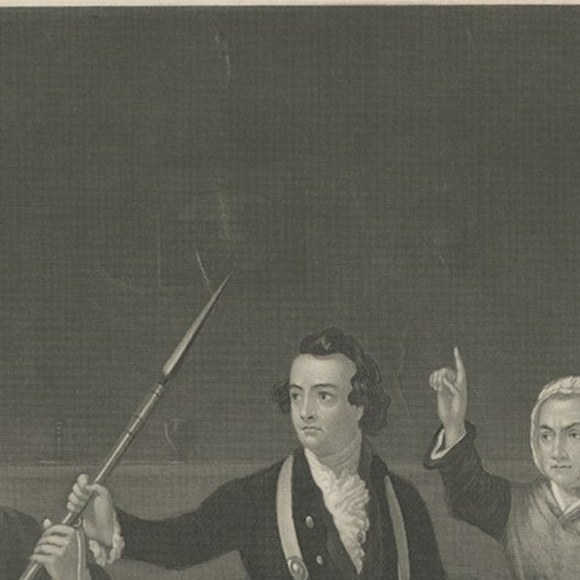
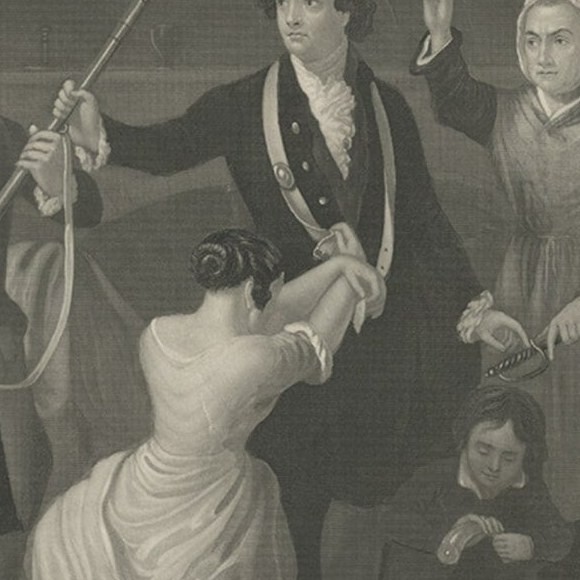
Framed and on the wall
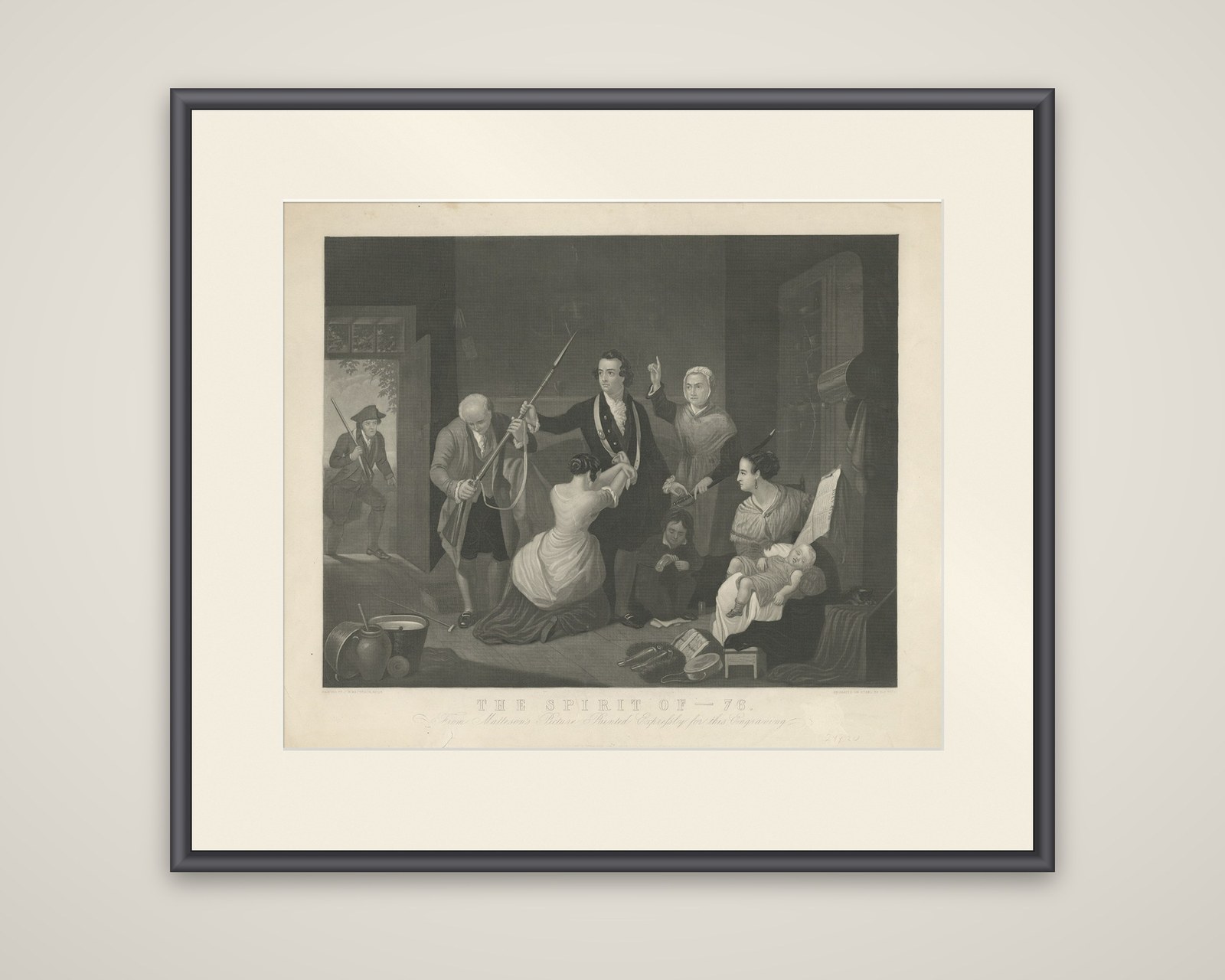
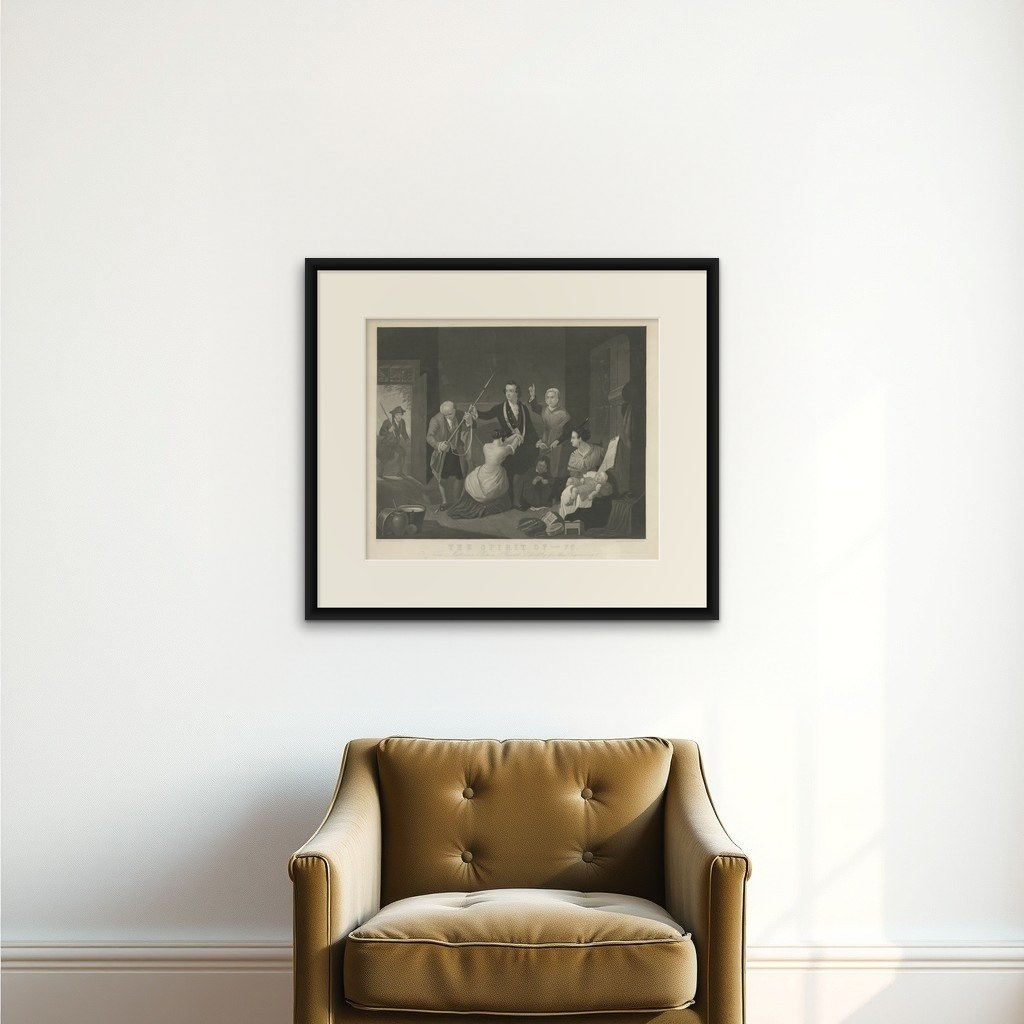
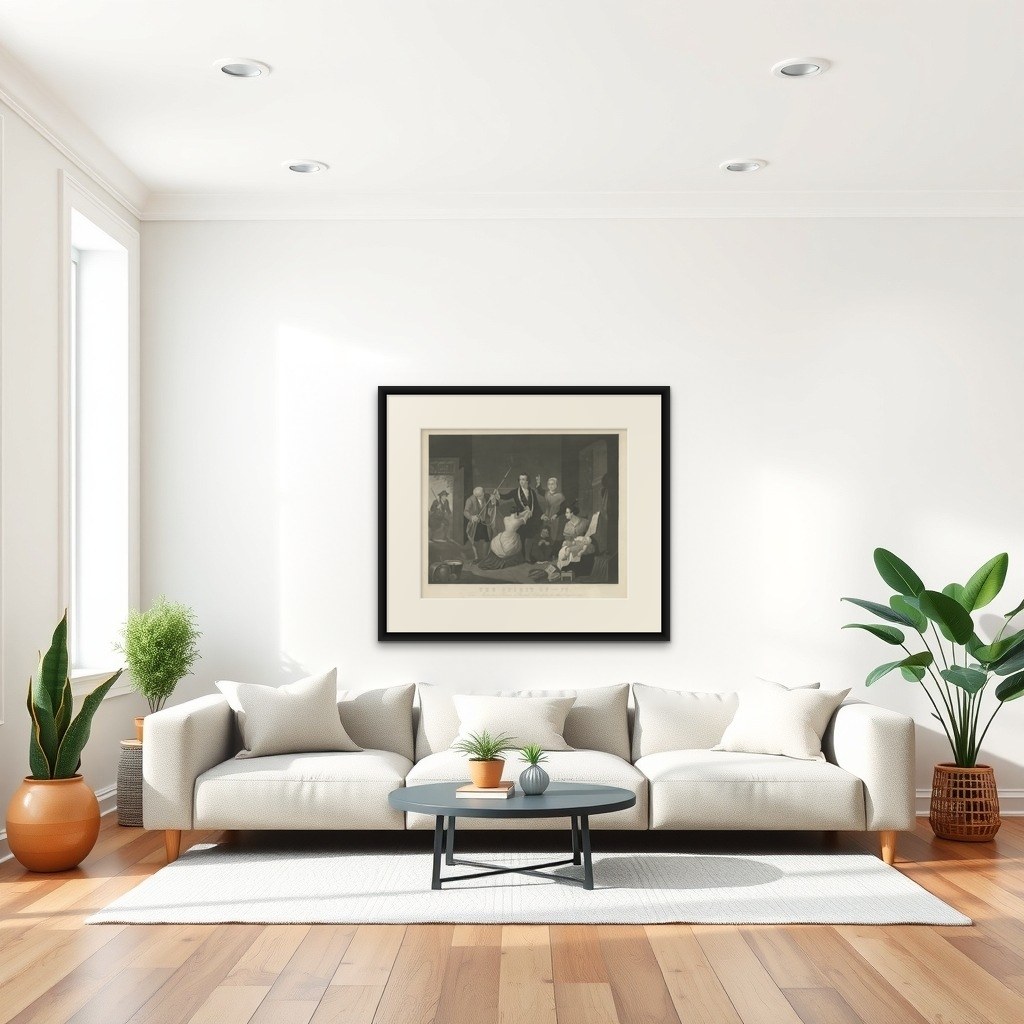
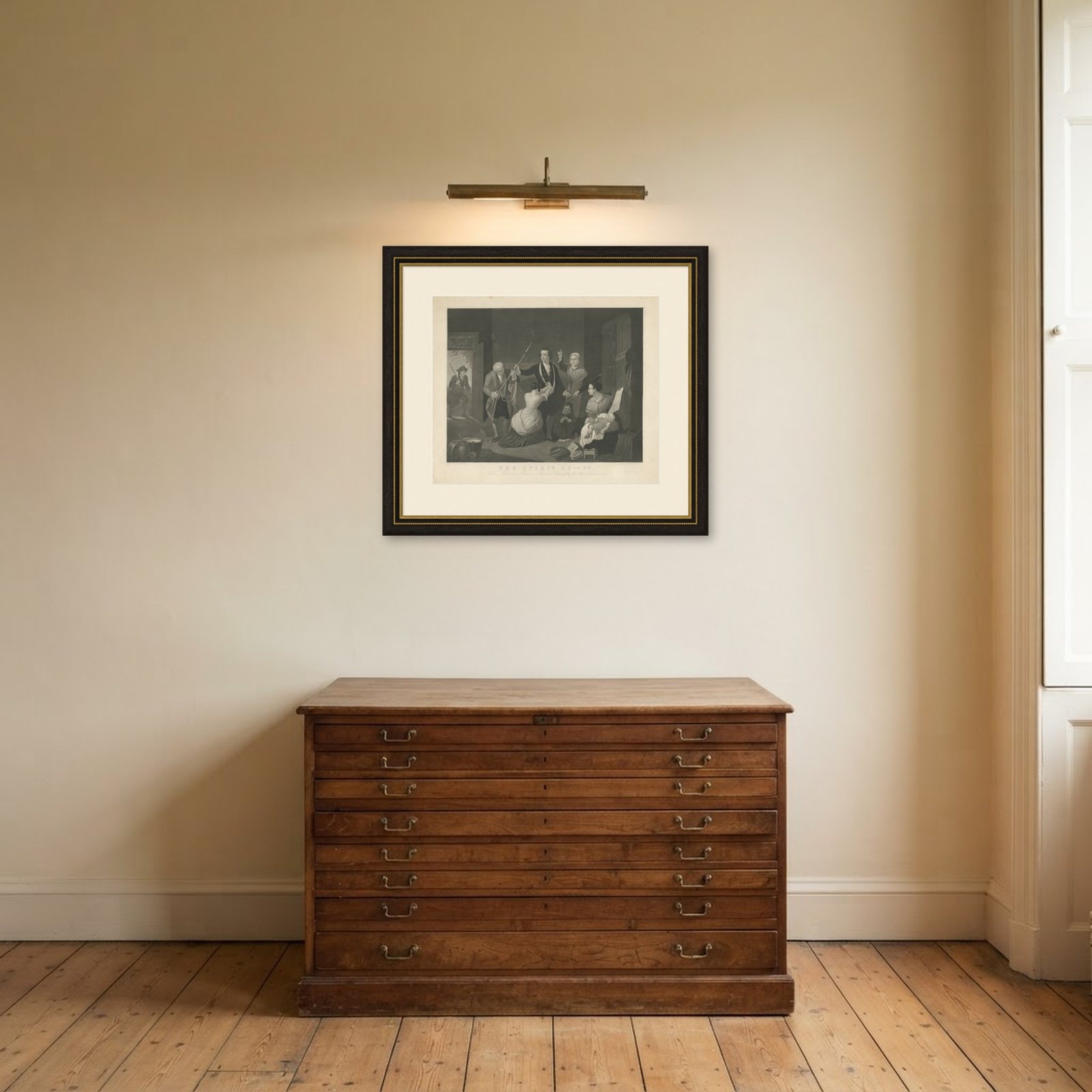
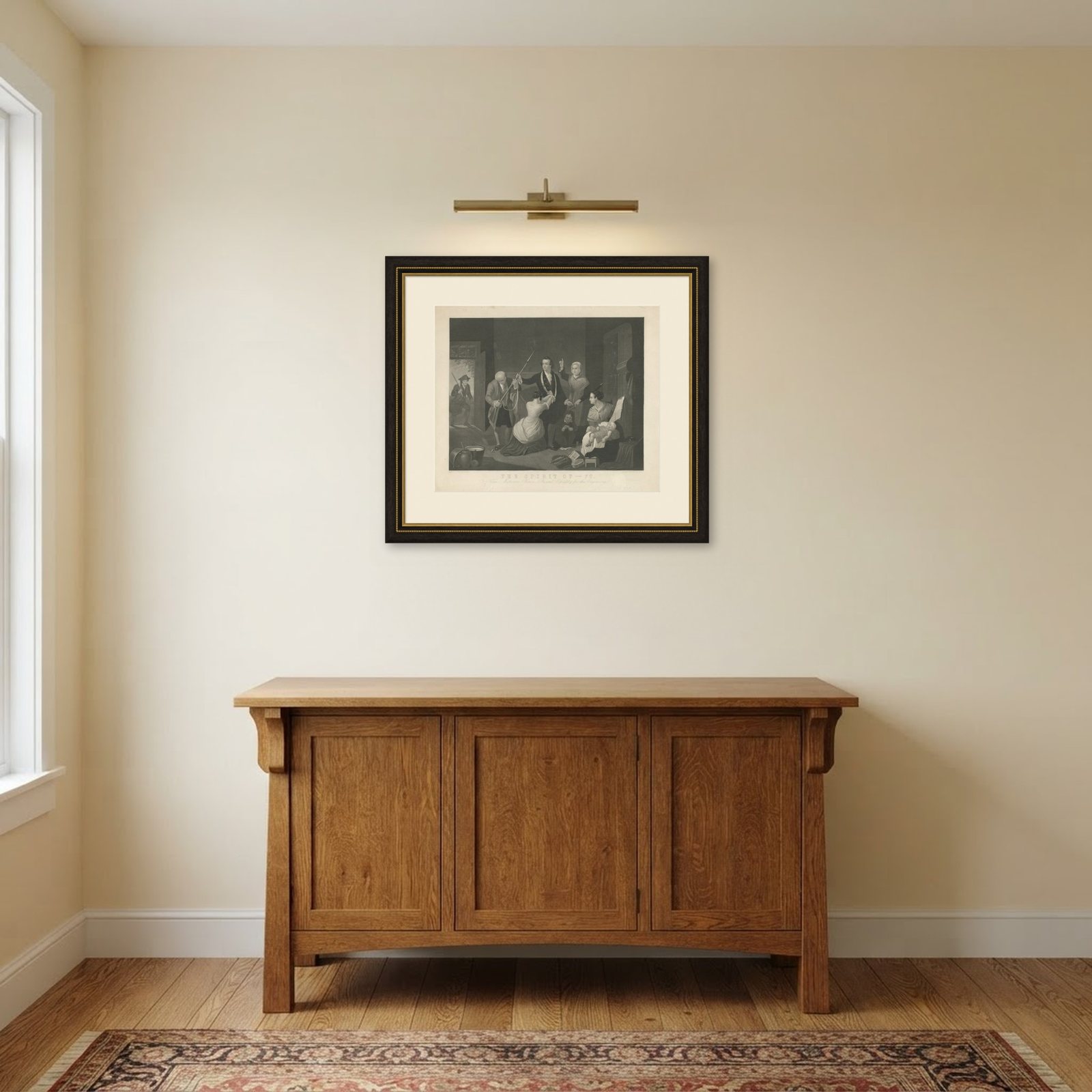
Frame and rooms are illustrations of how the piece could look; it is sold unframed unless the description says otherwise.
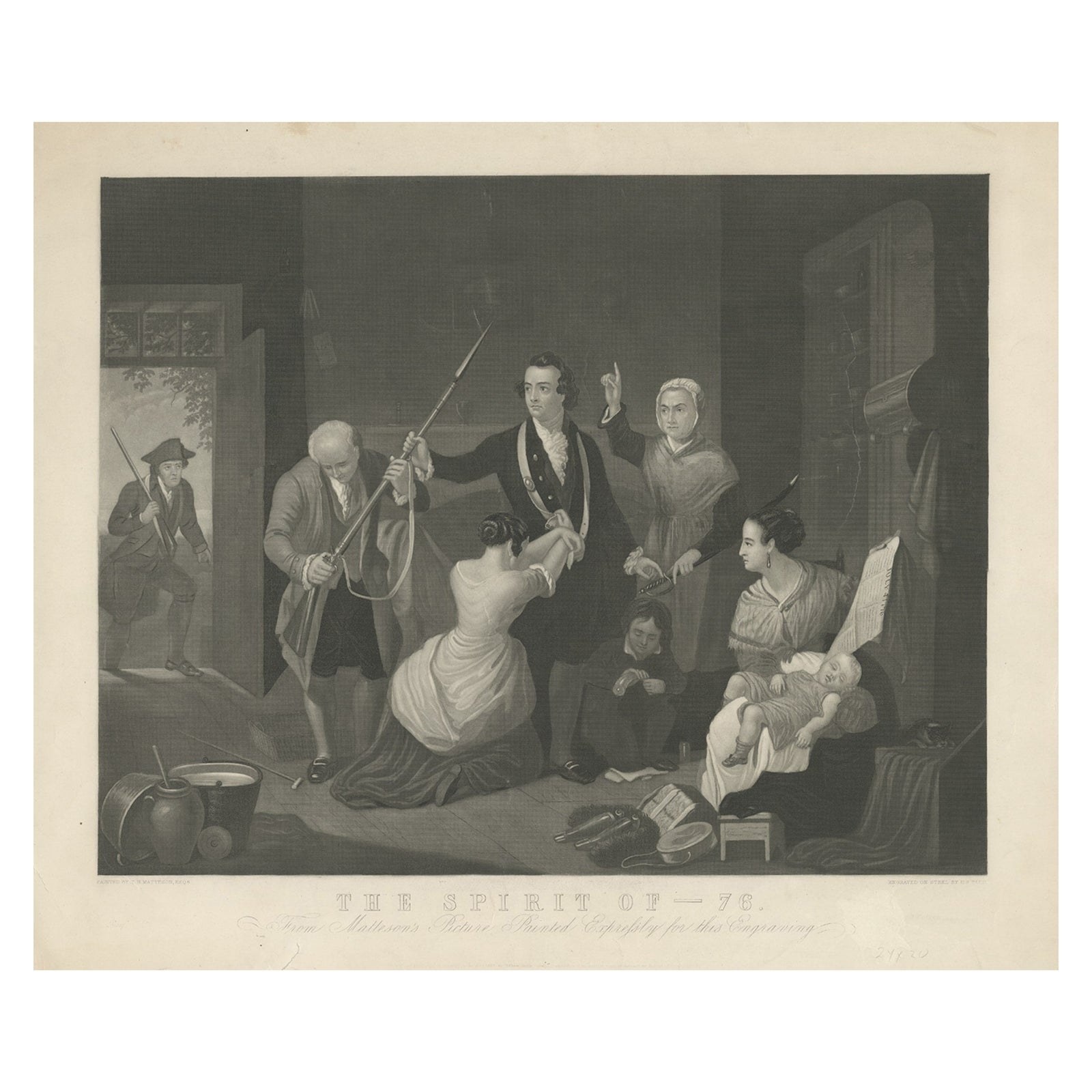
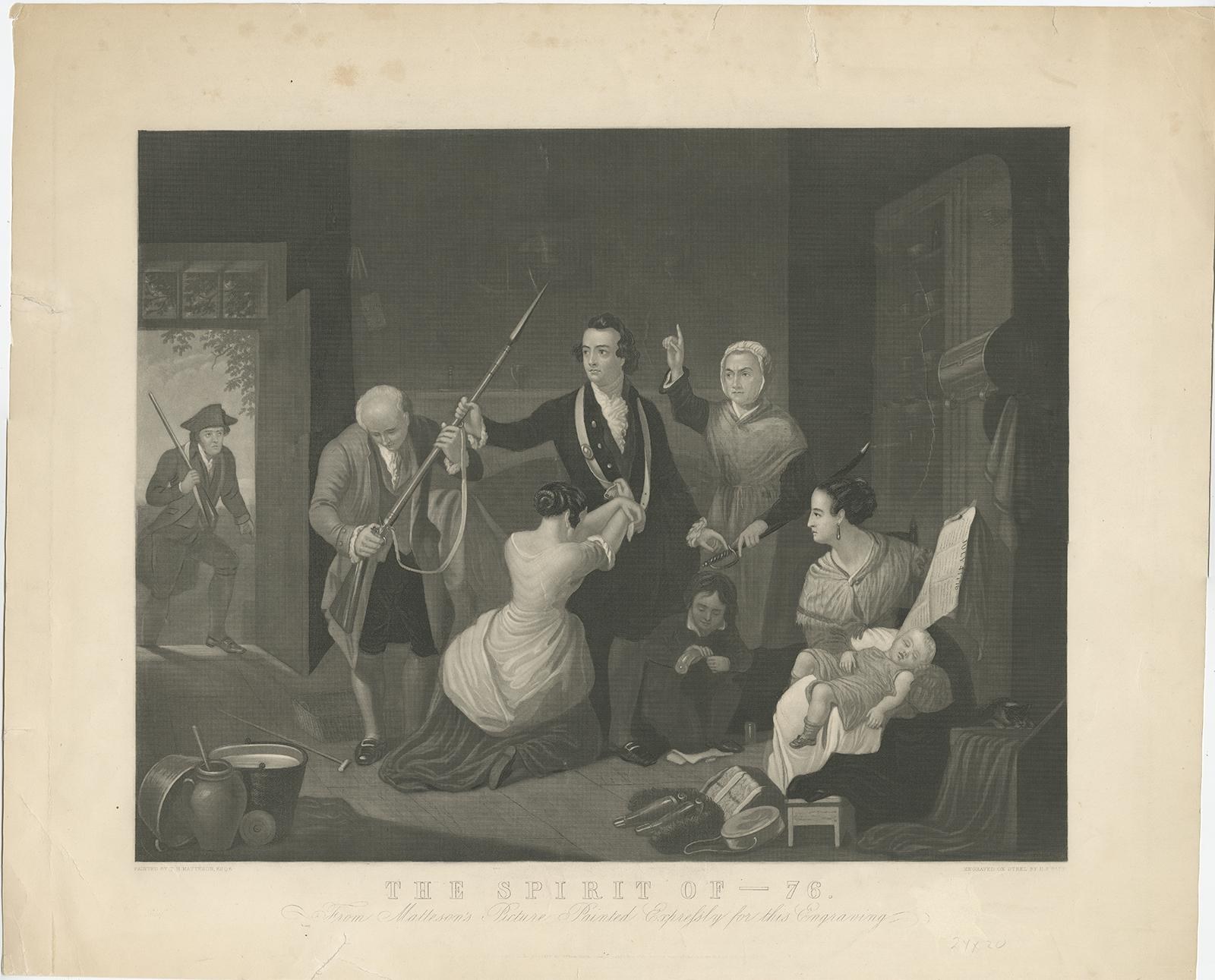
Antique Print of a Scene in American Revolution, The Spirit of '76. '1862'
£815£61525% off
$805 · €732
Original print, not a reproduction.
Ships worldwide from the Netherlands, flat or rolled, insured and tracked. 14-day returns.
- Date
- 1862
- Sheet size
- 20.1 × 24 in (51 × 61 cm)
- Condition
- Good. General age-related toning. Few marginal tears, mostly restored. Please study image carefully.
- Collection
- Battle scenes
- Era
- 1816 to 1899, Empire and industry
- Stock no.
- BG-08002
What the condition grades mean
- Excellent
- Bright and clean, with no faults worth mentioning.
- Very good
- Only light signs of age, such as faint toning.
- Good
- Normal signs of age for a sheet of this period: toning, some foxing, small marks or neat old repairs.
- Fair
- Clear faults such as staining, tears or repairs, priced to match.
Every fault we see is written in the condition note, and the whole sheet is shown uncropped in the photos.
The Spirit of '76, an original steel engraving after the painting by Tompkins Harrison Matteson, published by William Smith about 1862. The plate is lettered "The Spirit of '76," with the legend "From Matteson's Picture Painted Expressly for this Engraving." It is a large sheet printed in black on cream paper.
The scene is a family interior at the outbreak of the American Revolution. A young man stands at the center, a sling across his chest, as an older man hands him a long musket. A young woman kneels at his side, clinging to his arm, while a gray-haired woman raises her hand beside him. At the right a seated mother holds a sleeping infant and another child sits on the floor, and a militiaman in a tricorn hat with a musket waits at the open door at the left. Pots, a basin and household tools are scattered across the foreground.
The subject, the departure of a household's men for the militia, was a popular one for American history painting in the nineteenth century, and engravings after Matteson's pictures were widely issued as home prints.