Close-ups
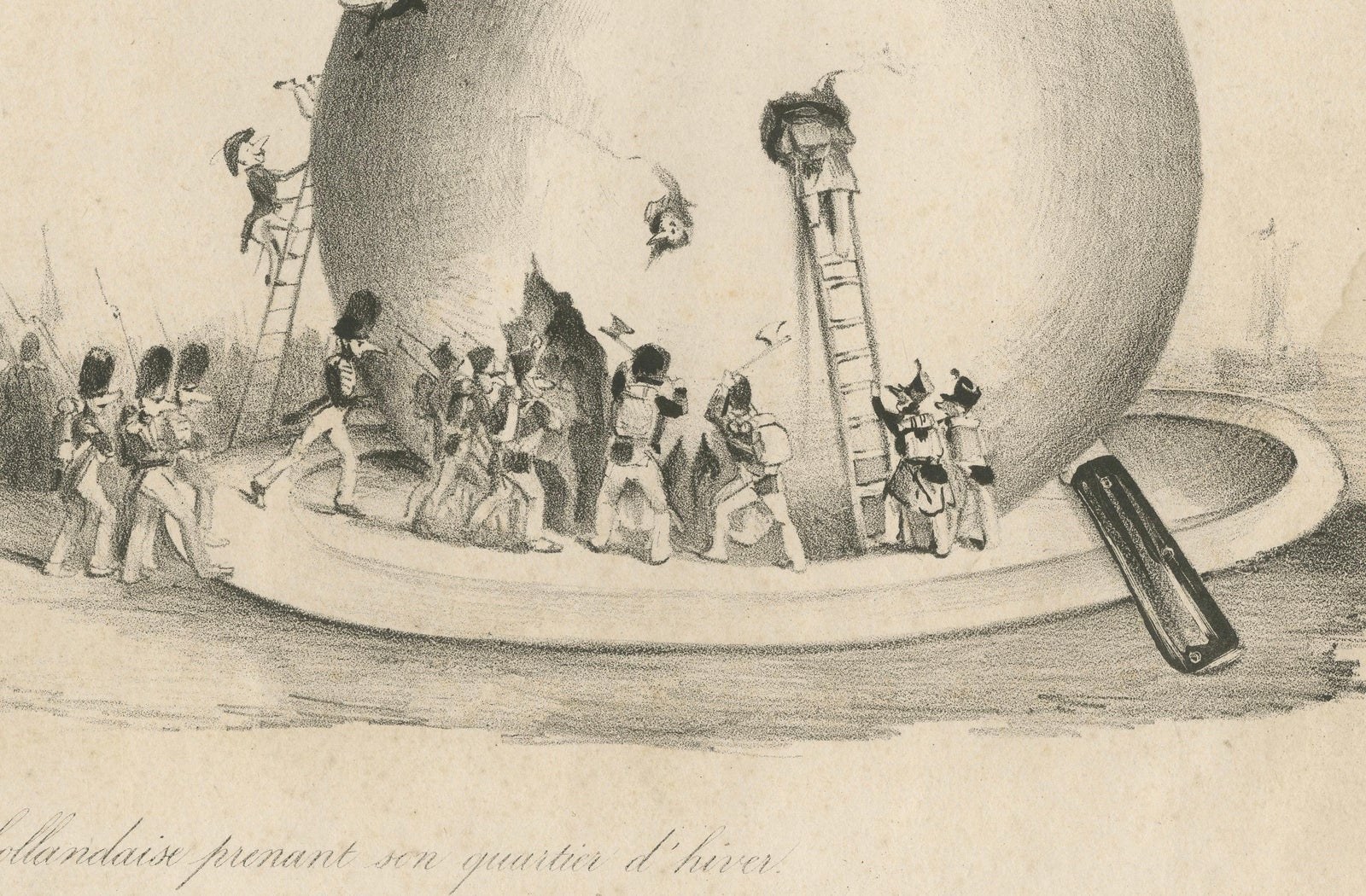
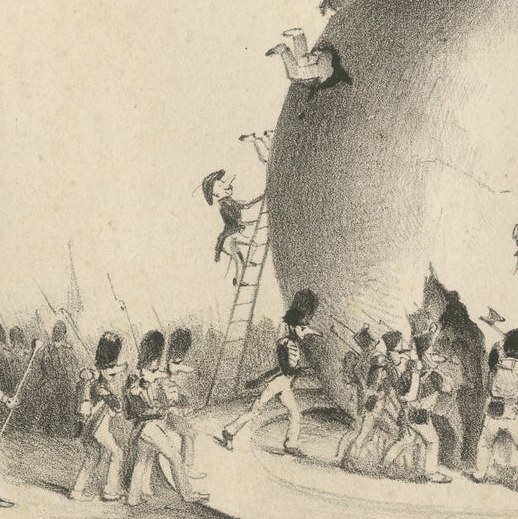
Framed and on the wall
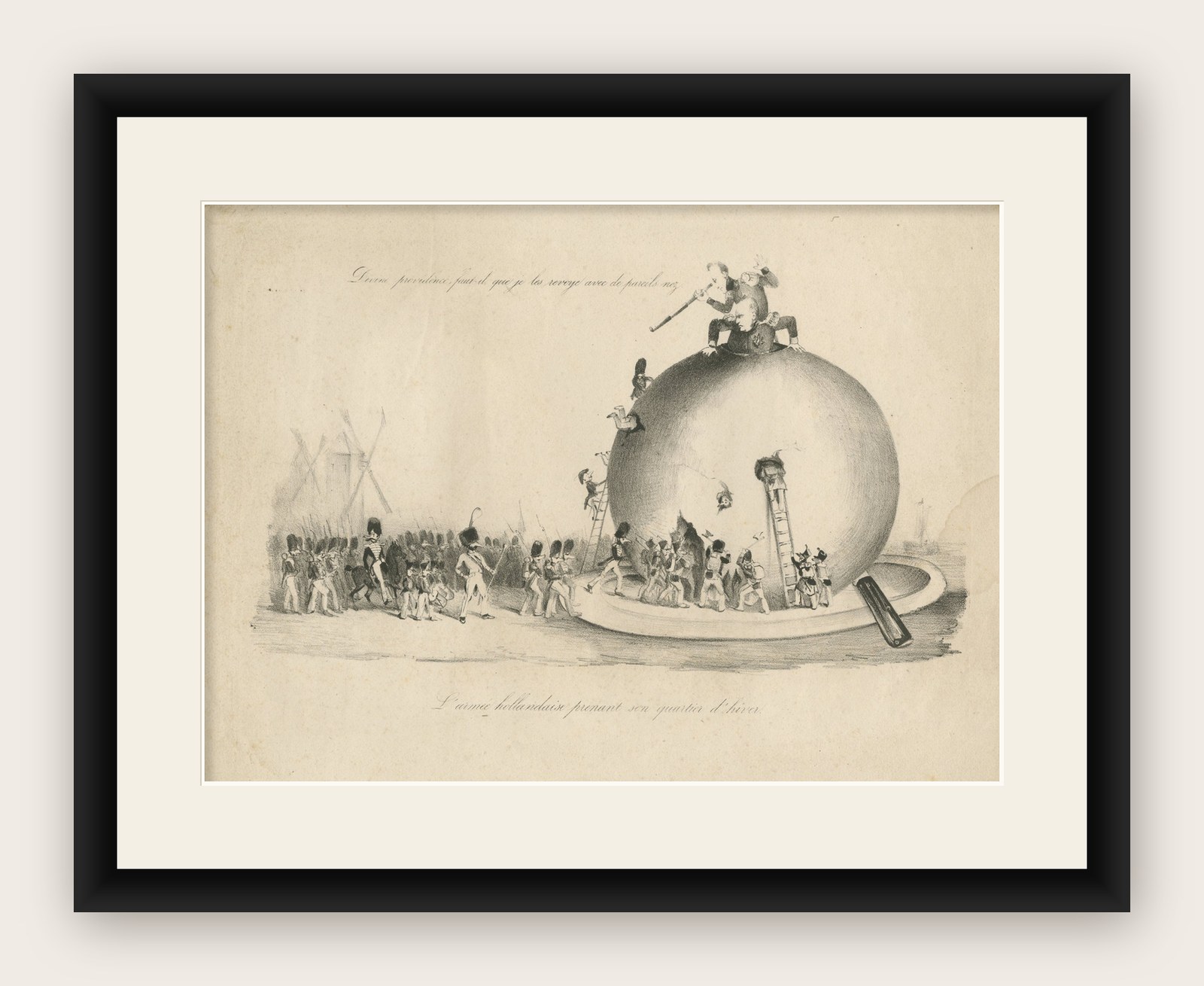
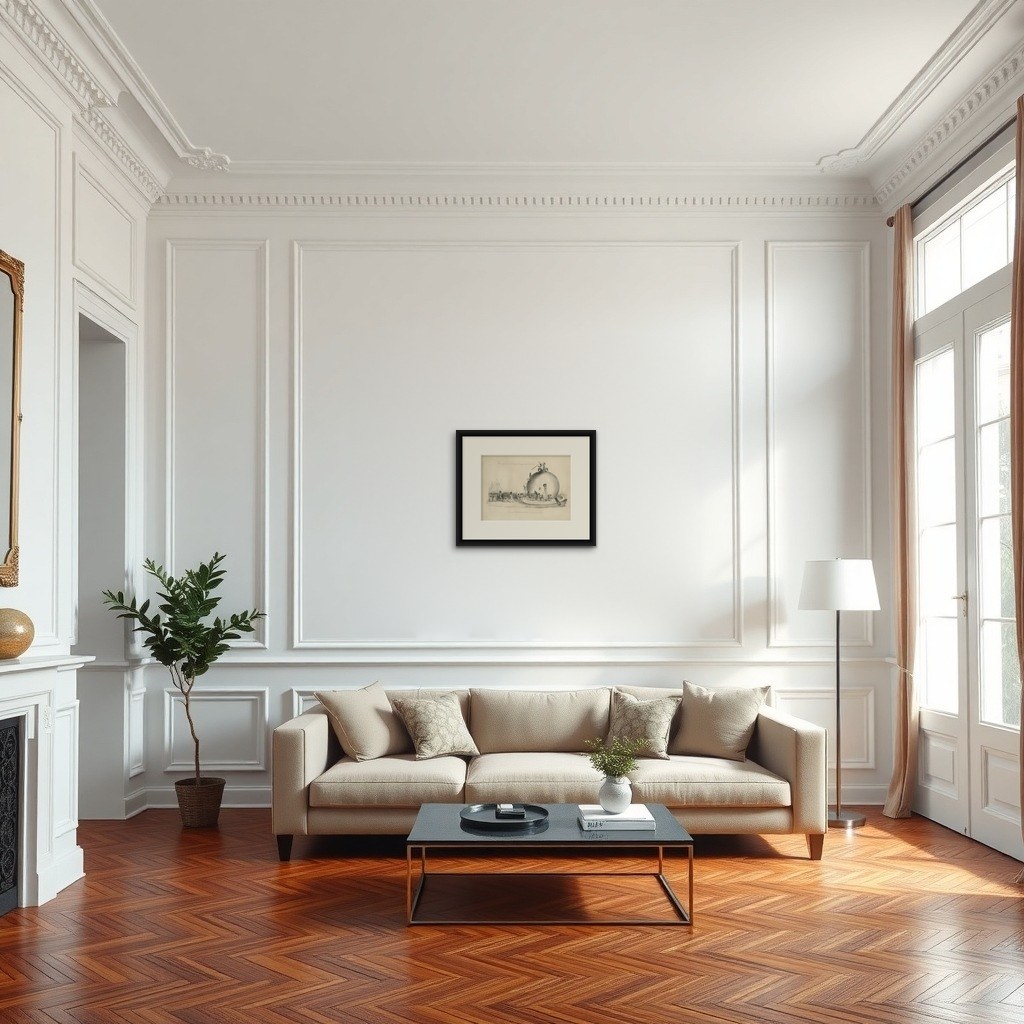
Frame and rooms are illustrations of how the piece could look; it is sold unframed unless the description says otherwise.
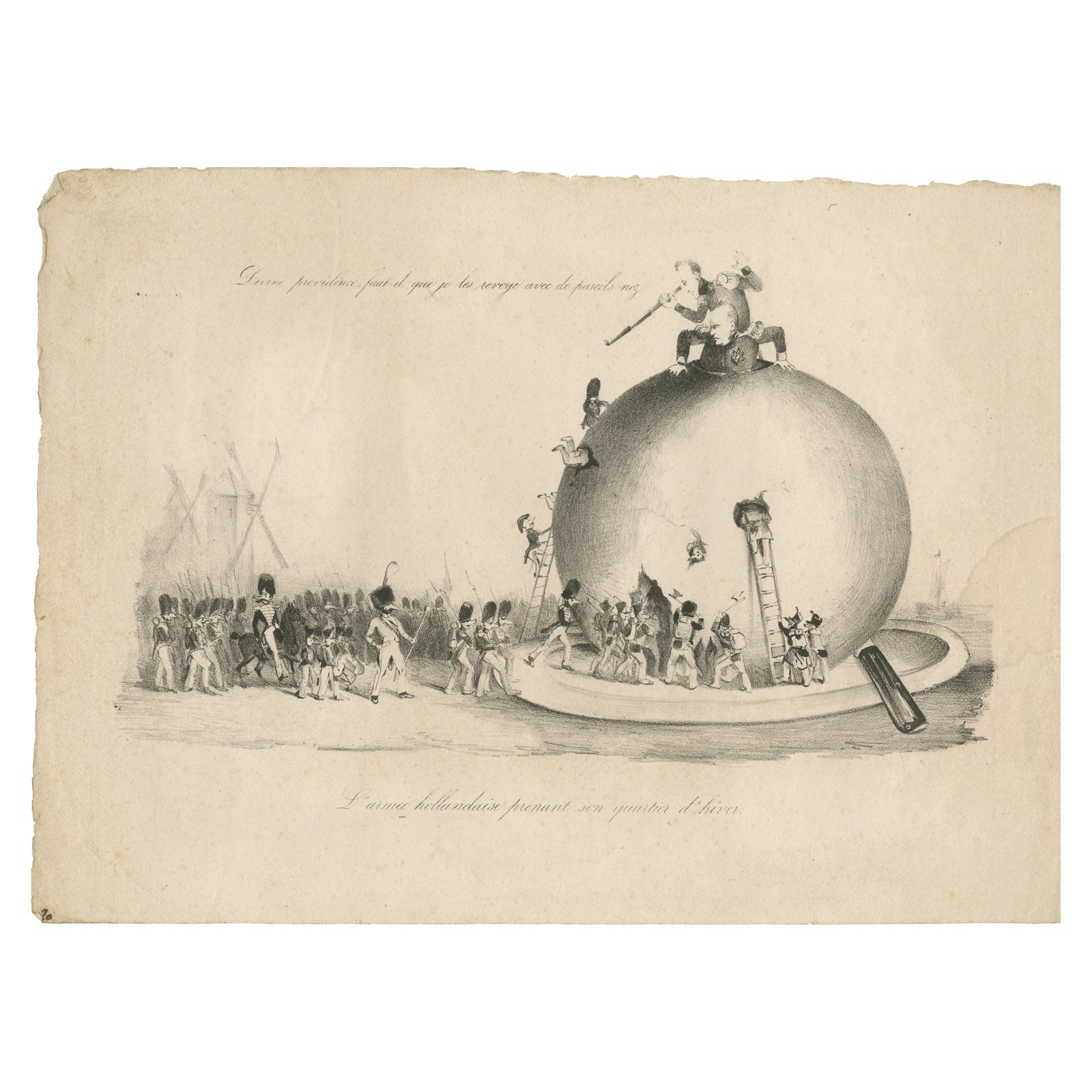
Dutch Troops Winter Quarters in a Cheese, Rare Belgium 1830 Satirical Cartoon
$450
€399 · £340
Original print, not a reproduction.
Ships worldwide from the Netherlands, flat, insured and tracked. 14-day returns. To buy, use Ask a question and we will reserve it for you.
- Date
- 1830
- Sheet size
- 10.2 × 14.2 in (26 × 36 cm)
- Condition
- Good. Overall, while not in mint condition, this remains a valuable historical artifact. The wear and staining are consistent with its age and add to its authenticity, though professional conservation might improve its appearance and preserve it further.
- Collection
- Uniforms & regiments
- Era
- 1816 to 1899, Empire and industry
- Stock no.
- f_43014352
Title: Dutch Troops Winter Quarters in a Cheese, Belgium 1830 Satirical Cartoon
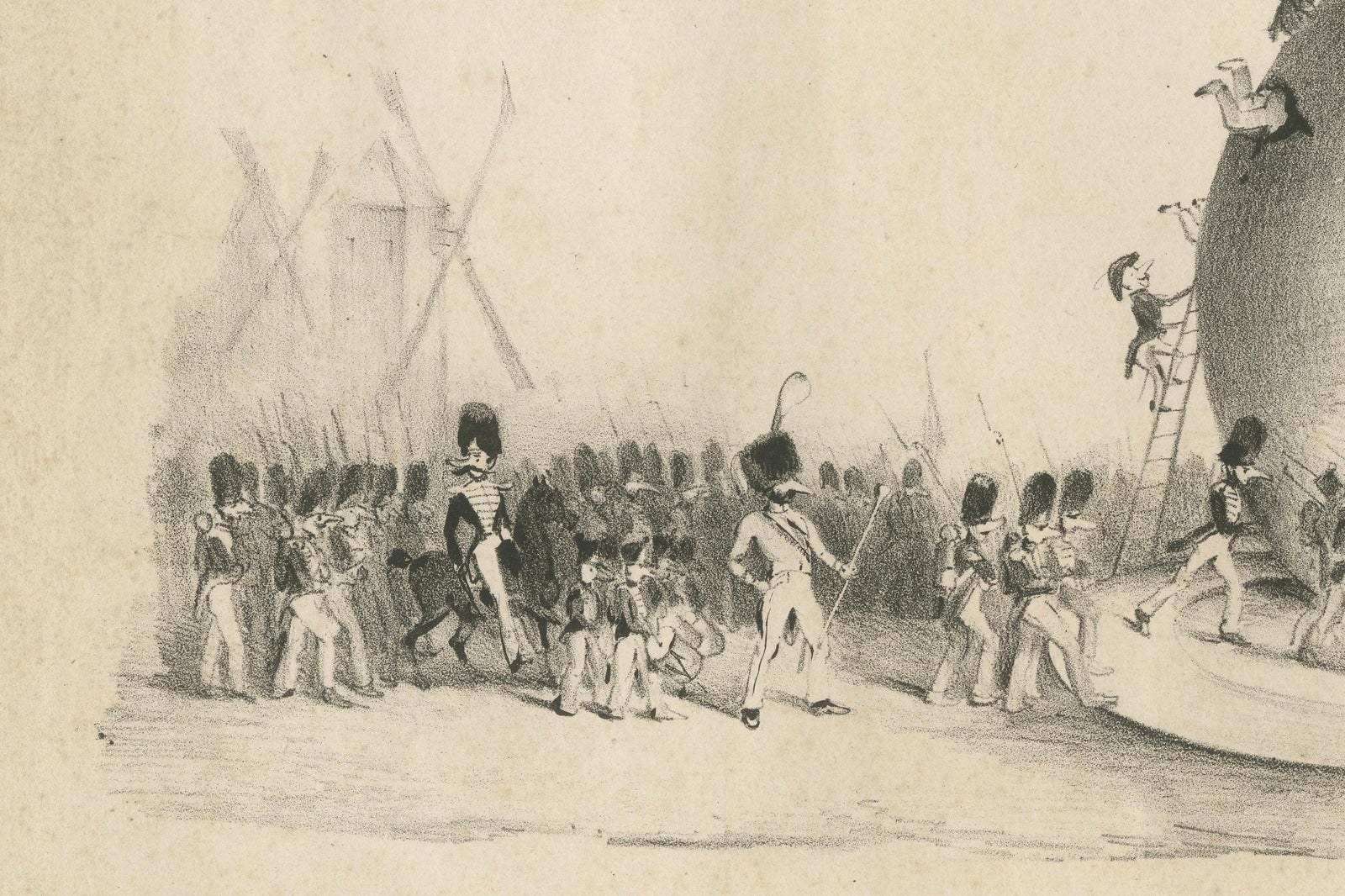
Description: This satirical lithograph, titled "L'Armée Hollandaise Prenant Son Quartier d'Hiver," was created in 1830 as a humorous critique of the Dutch army's withdrawal from Belgium during the Belgian Revolution. Depicted with long noses and comical expressions, Dutch soldiers are shown retreating into a giant round cheese, symbolizing their refuge in a quintessential Dutch icon. The cheese, resting on a plate alongside a knife, humorously serves as their winter quarters, while King Willem I and Prince Frederik are portrayed within the cheese, emphasizing their central role in the conflict.
The background includes a Dutch-style windmill and an army marching off, providing context to the historical setting. The print mocks the Dutch army's strategic retreat following the Belgian uprising, making it a sharp political commentary of its time. The intricate details, ladders scaling the cheese, and soldiers chopping their way in add to the surreal and witty imagery.
This engraving is rare because it represents a niche moment in European political history, the short-lived Dutch presence in Belgium, and satirizes it with extraordinary creativity.
Likely produced by a Belgian artist, it reflects the local sentiment against Dutch rule and serves as an example of early 19th-century political satire.
Such prints were often published in limited runs and are prized today for their historical significance and sharp humor.