Close-ups
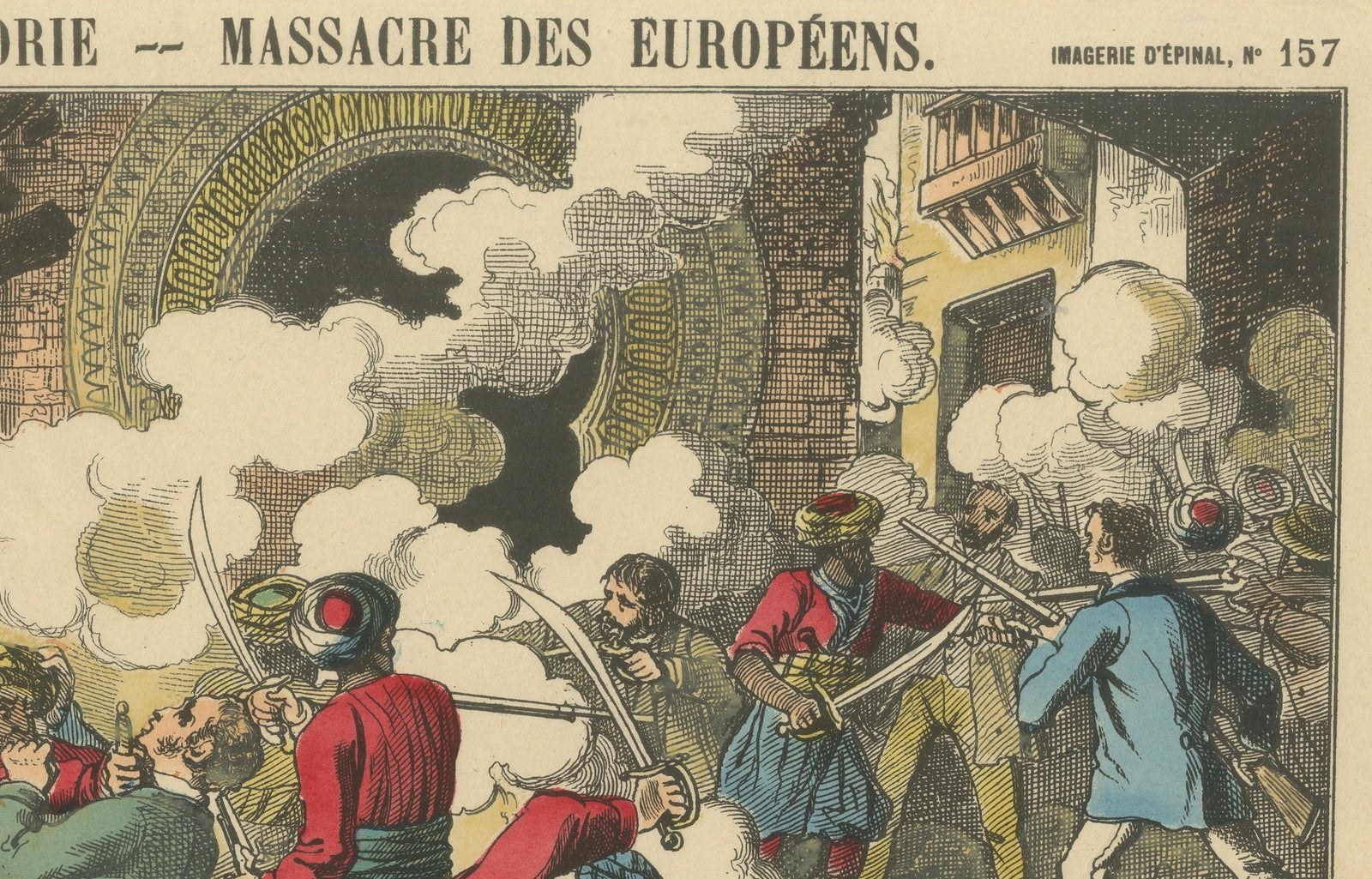
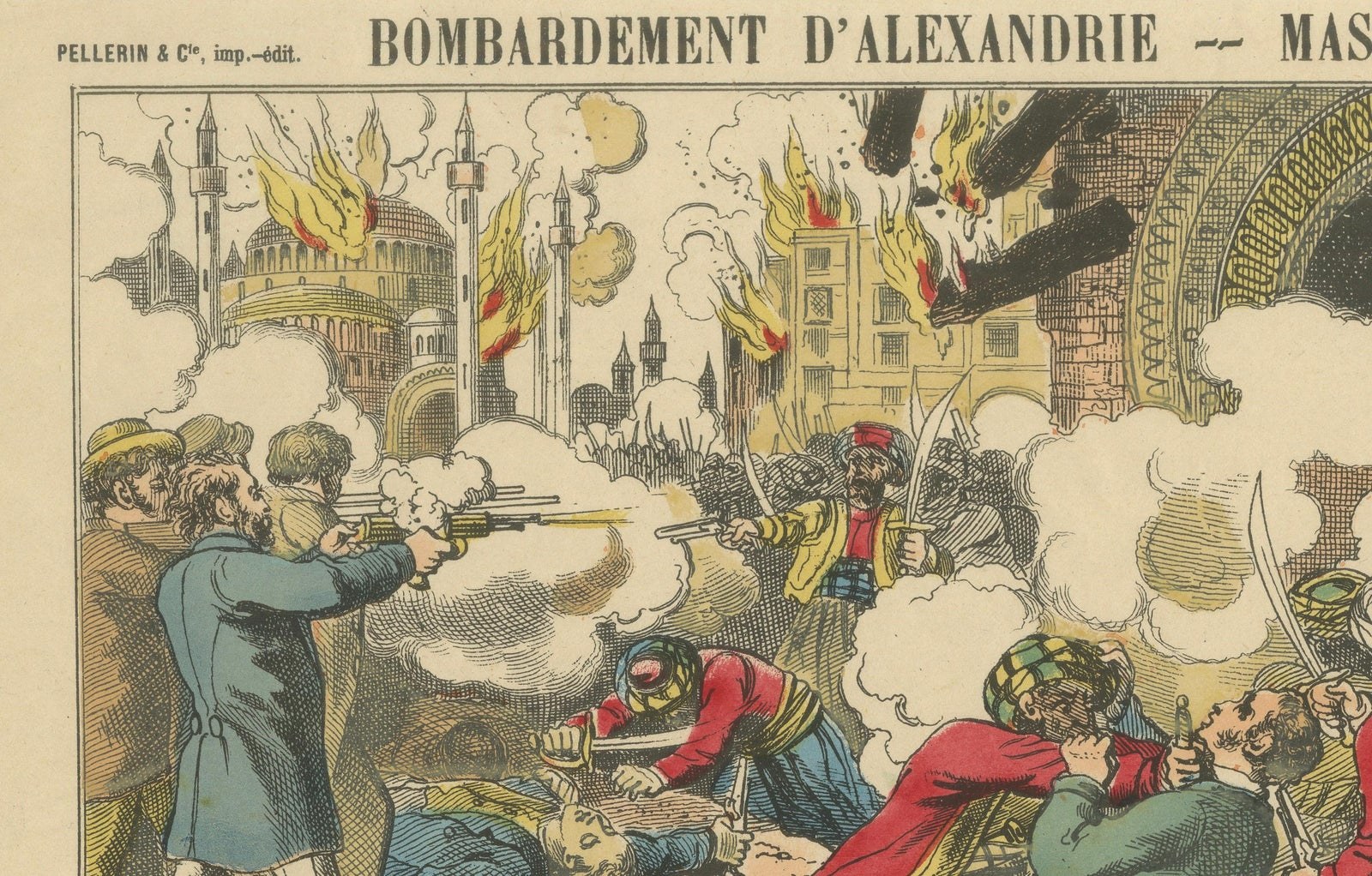
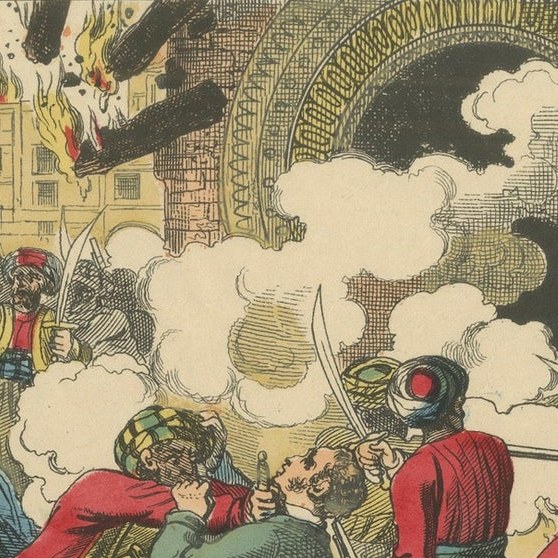
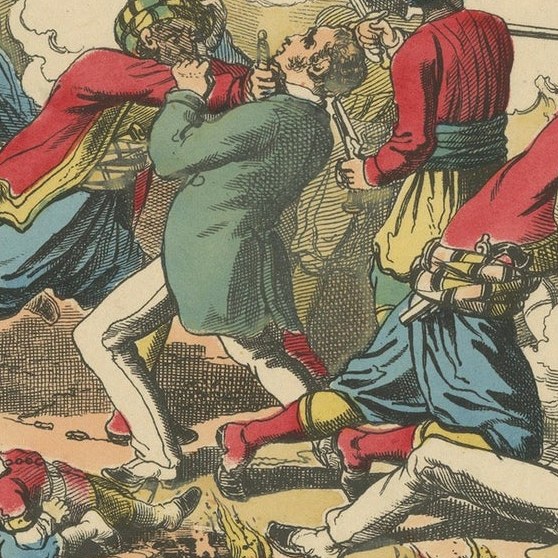
Framed and on the wall
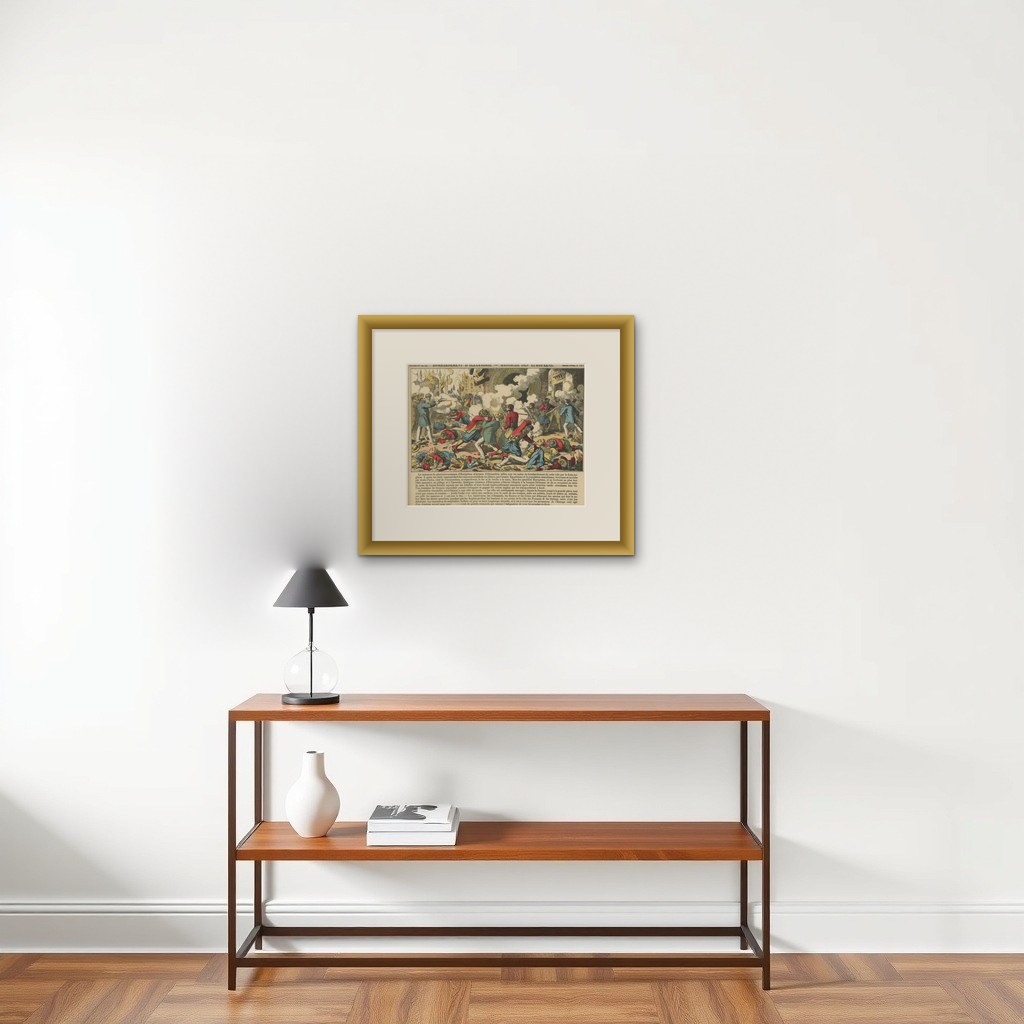

Frame and rooms are illustrations of how the piece could look; it is sold unframed unless the description says otherwise.
Egypt Crisis Battle Scene, Bombardment of Alexandria, Épinal, 1882
$780
€690 · £585
Original print, not a reproduction.
Ships worldwide from the Netherlands, flat, insured and tracked. 14-day returns. To buy, use Ask a question and we will reserve it for you.
- Date
- 1882
- Sheet size
- 11.6 × 15.6 in (29.5 × 39.5 cm)
- Condition
- Good. Good overall condition. Light age toning to the paper and minor handling wear consistent with age. Original colors remain strong and well preserved. Margins intact, with the printed text fully legible. No major tears, losses, or restorations observed.
- Collection
- Battle scenes
- Era
- 1816 to 1899, Empire and industry
- Stock no.
- f_47984022
Egypt Crisis Battle Scene, Bombardment of Alexandria, Épinal, 1882
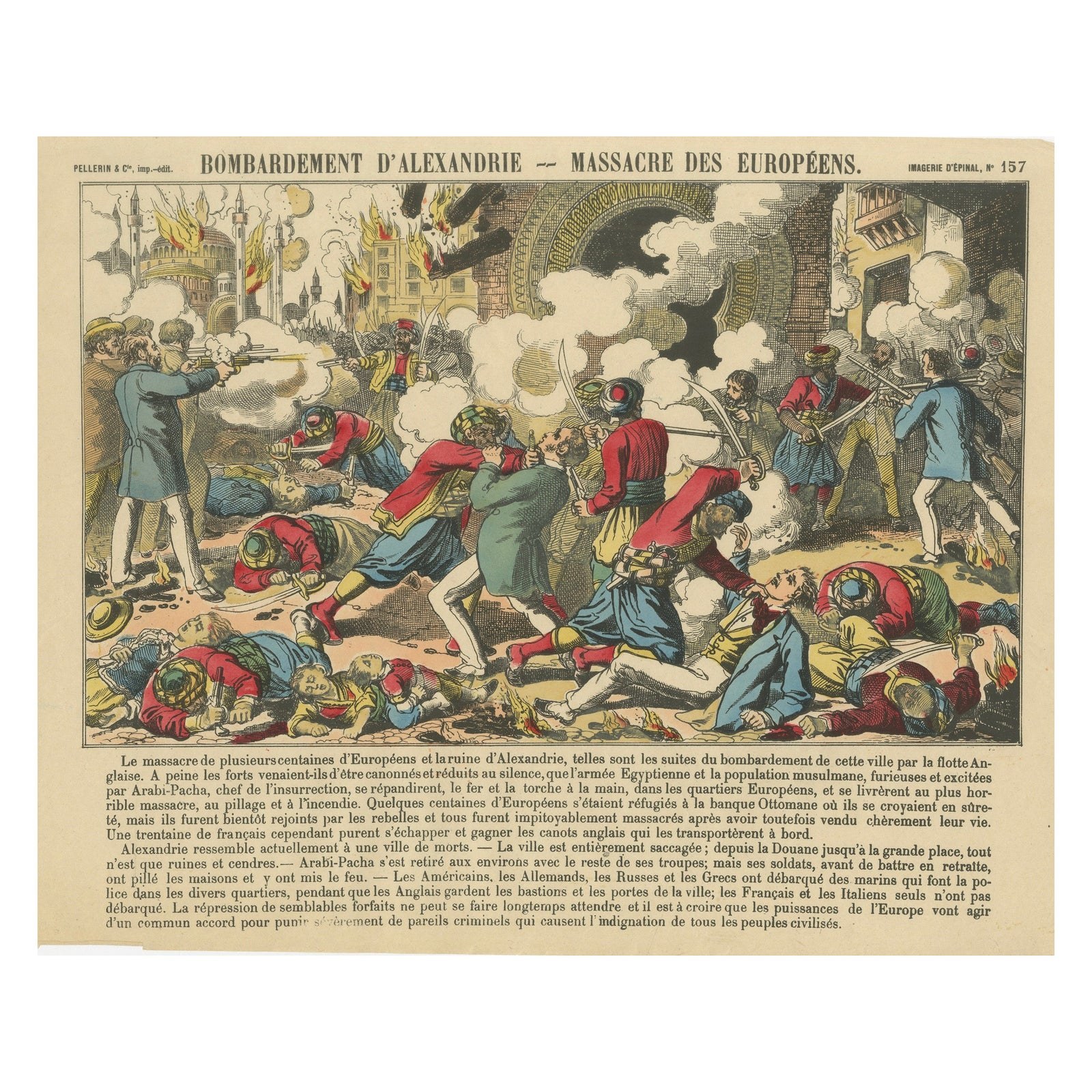
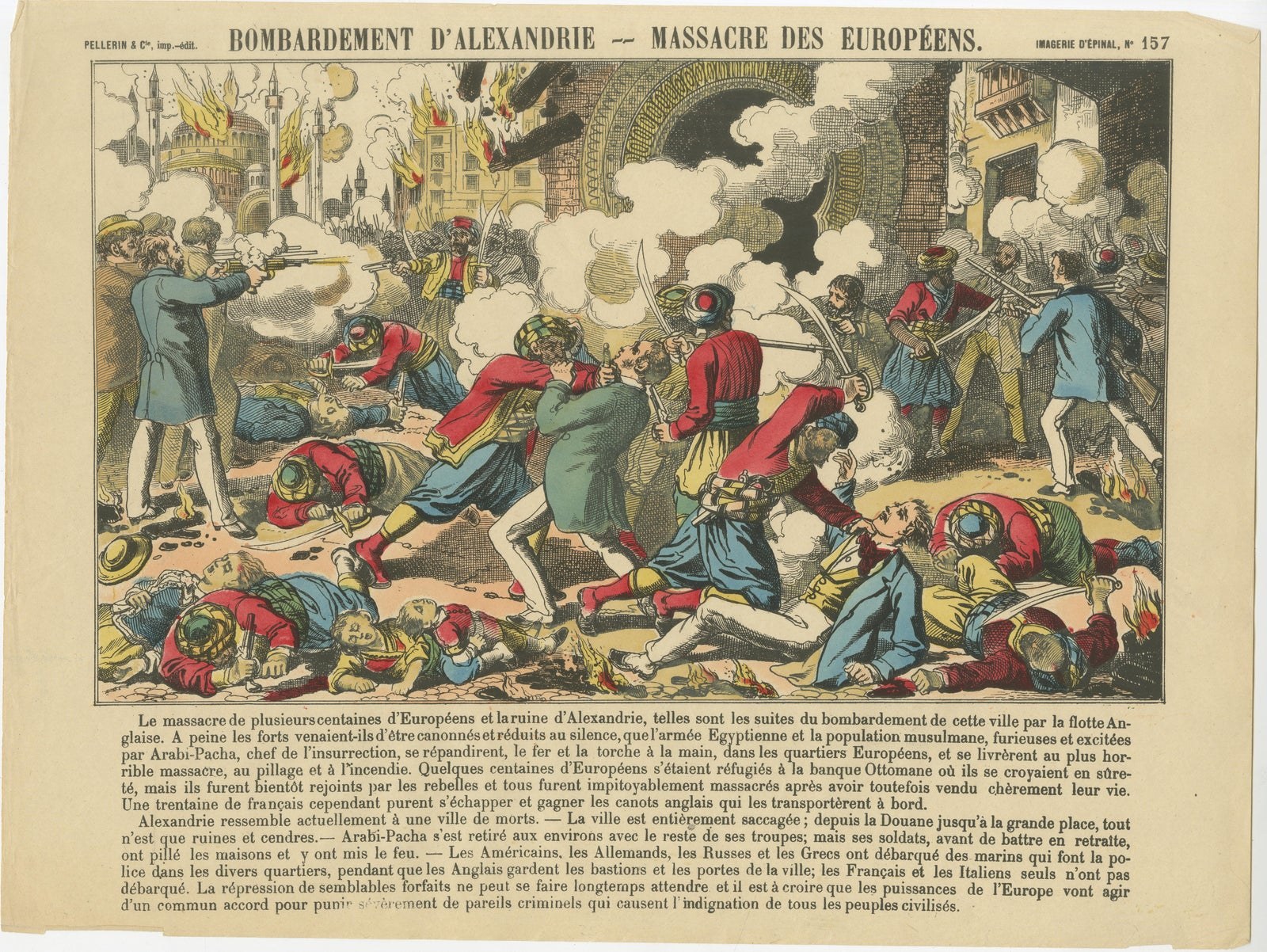
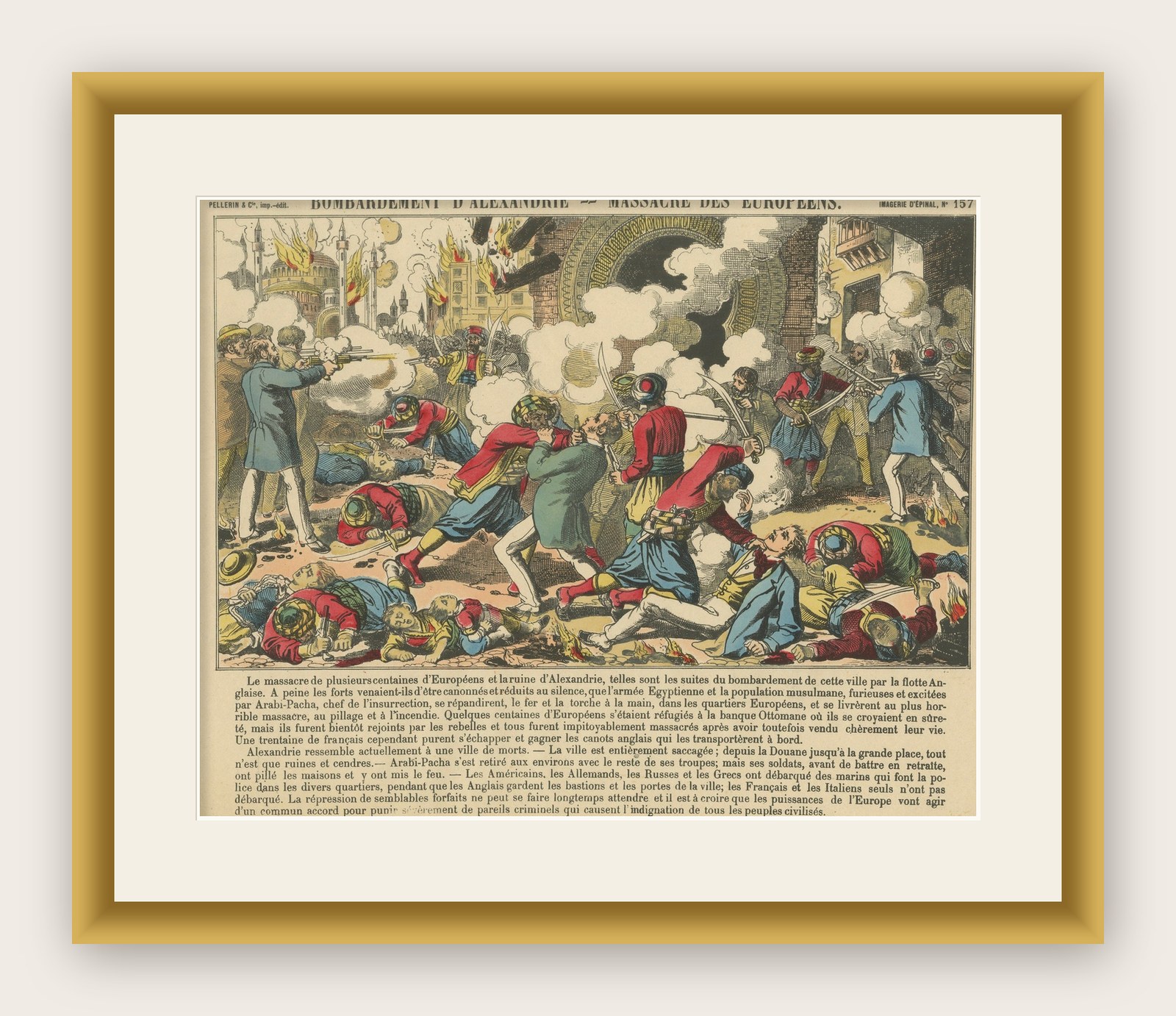
This dramatic French color lithograph depicts the Bombardment of Alexandria and the ensuing massacre of Europeans during the Egyptian Crisis of 1882, one of the most violent episodes of late-19th-century imperial conflict in the eastern Mediterranean. Issued by Pellerin & Cie of Épinal, the print presents a stark and highly charged visual account of the unrest that followed the British naval bombardment of the city and the collapse of order in Alexandria.
The composition shows chaotic street fighting amid burning buildings, collapsing architecture, and dense clouds of smoke. Armed groups attack European civilians at close range, while bodies lie strewn across the foreground, emphasizing the brutality and suddenness of the violence. Architectural elements evoke Alexandria’s cosmopolitan urban landscape, with arches, mosques, and multi-storey buildings framing the scene. Flames and explosions dominate the background, reinforcing the sense of total destruction and panic.
Unlike many Épinal battle scenes that celebrate military victory, this sheet is notable for its explicit focus on civilian suffering and massacre. The imagery is deliberately confrontational, reflecting contemporary European outrage at the events in Alexandria and serving both as visual reportage and political commentary. The intense hand coloring, especially in the reds of uniforms and fires, heightens the emotional impact and directs the viewer’s attention to the central acts of violence.
Below the image, the extensive original French caption provides a detailed narrative of the events, describing the bombardment by the British fleet, the uprising led by Arabi Pasha, and the widespread killing, looting, and arson that followed in the European quarters of the city. This text is an essential part of the print, anchoring the image in its historical moment and revealing how the crisis was framed for a French audience in the context of imperial politics and international intervention.
Épinal prints addressing contemporary political violence outside Europe are comparatively uncommon, and this example stands out for its unusually graphic subject matter and moral intensity. It is a powerful visual document of the 1882 Egyptian Crisis and the fragility of European colonial presence in North Africa. The print appeals to collectors of colonial history, Middle Eastern and North African history, political imagery, and 19th-century popular prints, as well as to interior designers seeking a bold, provocative historical statement piece.
Condition
Good overall condition. Light age toning to the paper and minor handling wear consistent with age. Original colors remain strong and well preserved. Margins intact, with the printed text fully legible. No major tears, losses, or restorations observed.
Framing tips
Given the intensity of the subject, this print benefits from a restrained presentation. A dark wood or black frame with a wide off-white or light grey mat will provide visual balance and allow the scene to read clearly. Museum or UV-filtering glass is recommended to protect the original coloring. A generous mat adds gravitas and suits both classic and contemporary interiors.
Technique: Color lithograph (Imagerie d’Épinal)
Maker: Pellerin & Cie, Épinal, France, 1882