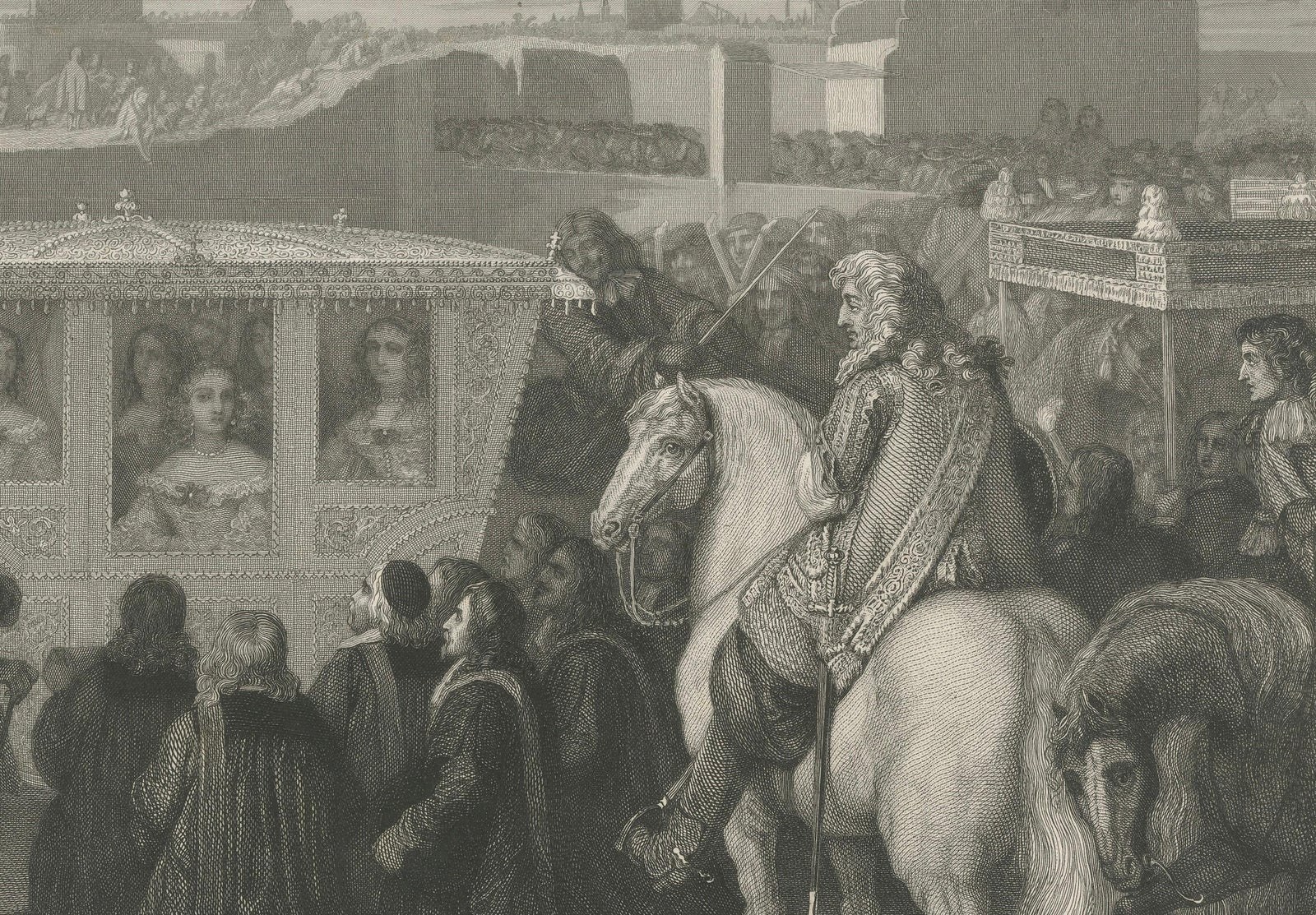
Close-ups
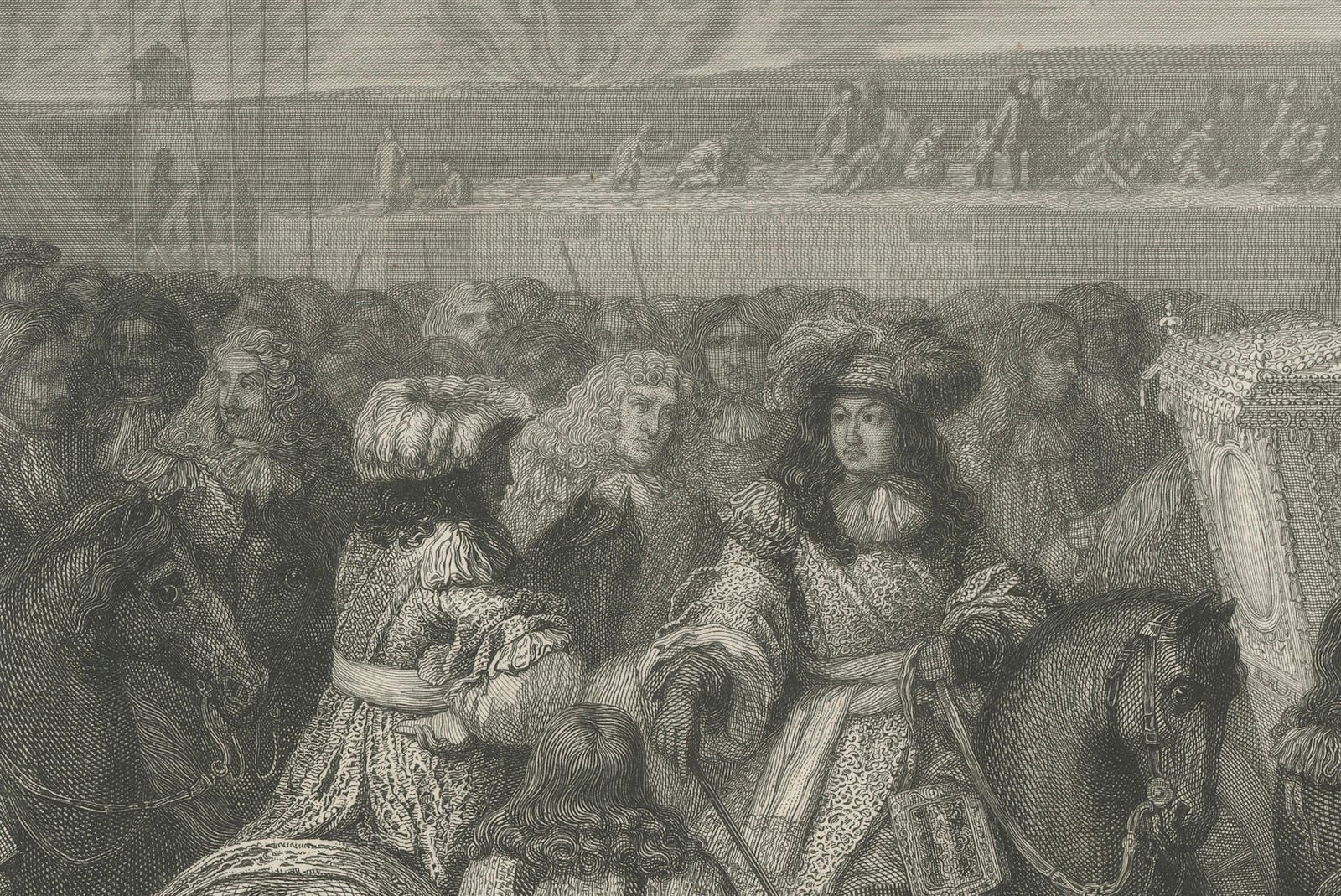
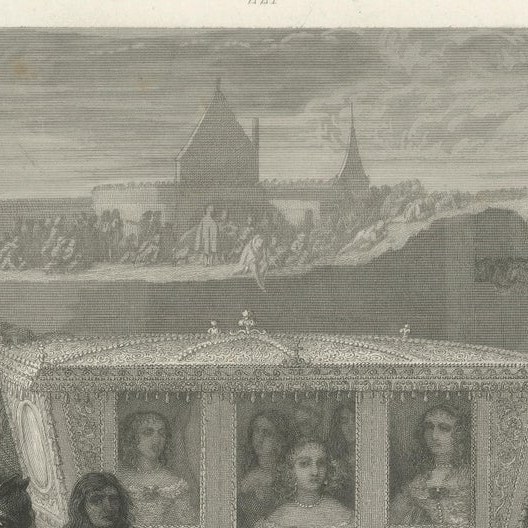
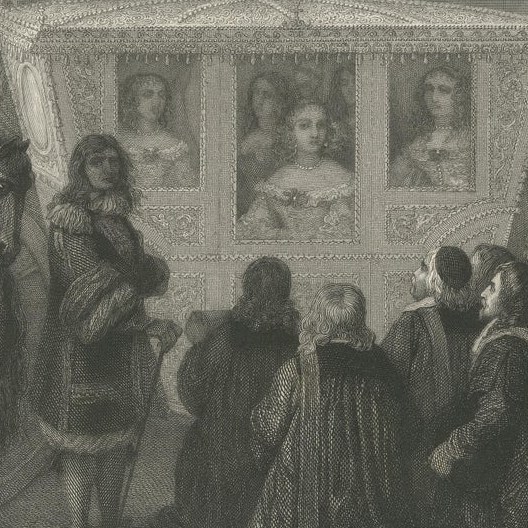
Framed and on the wall
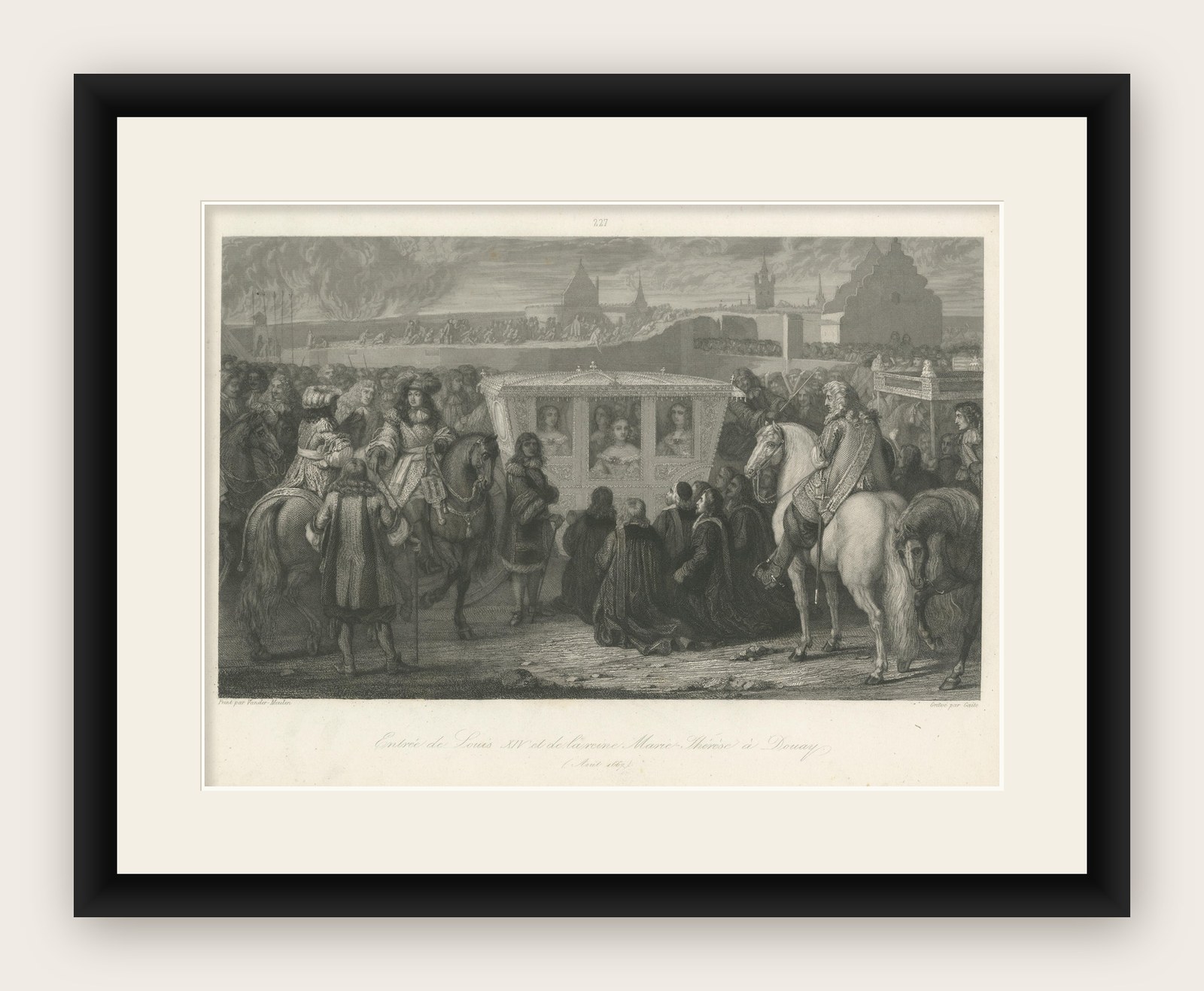
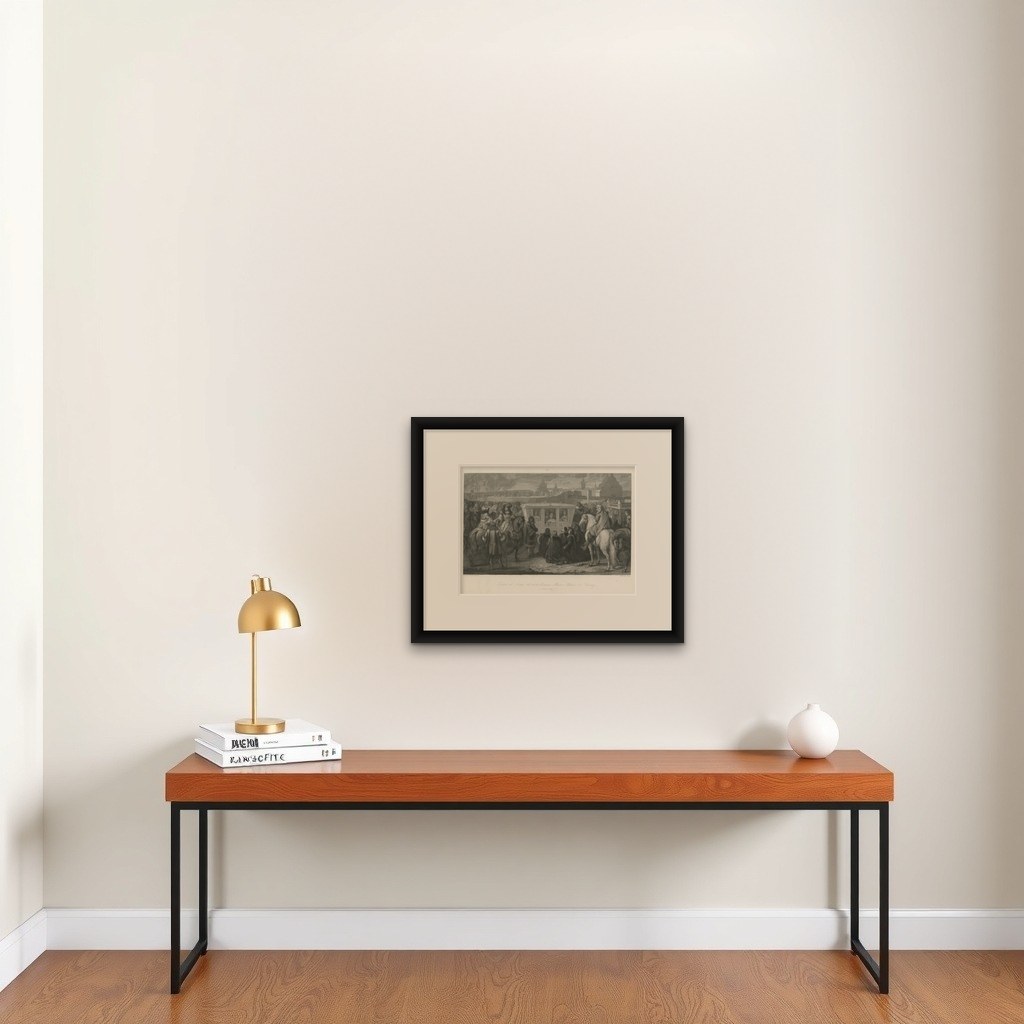

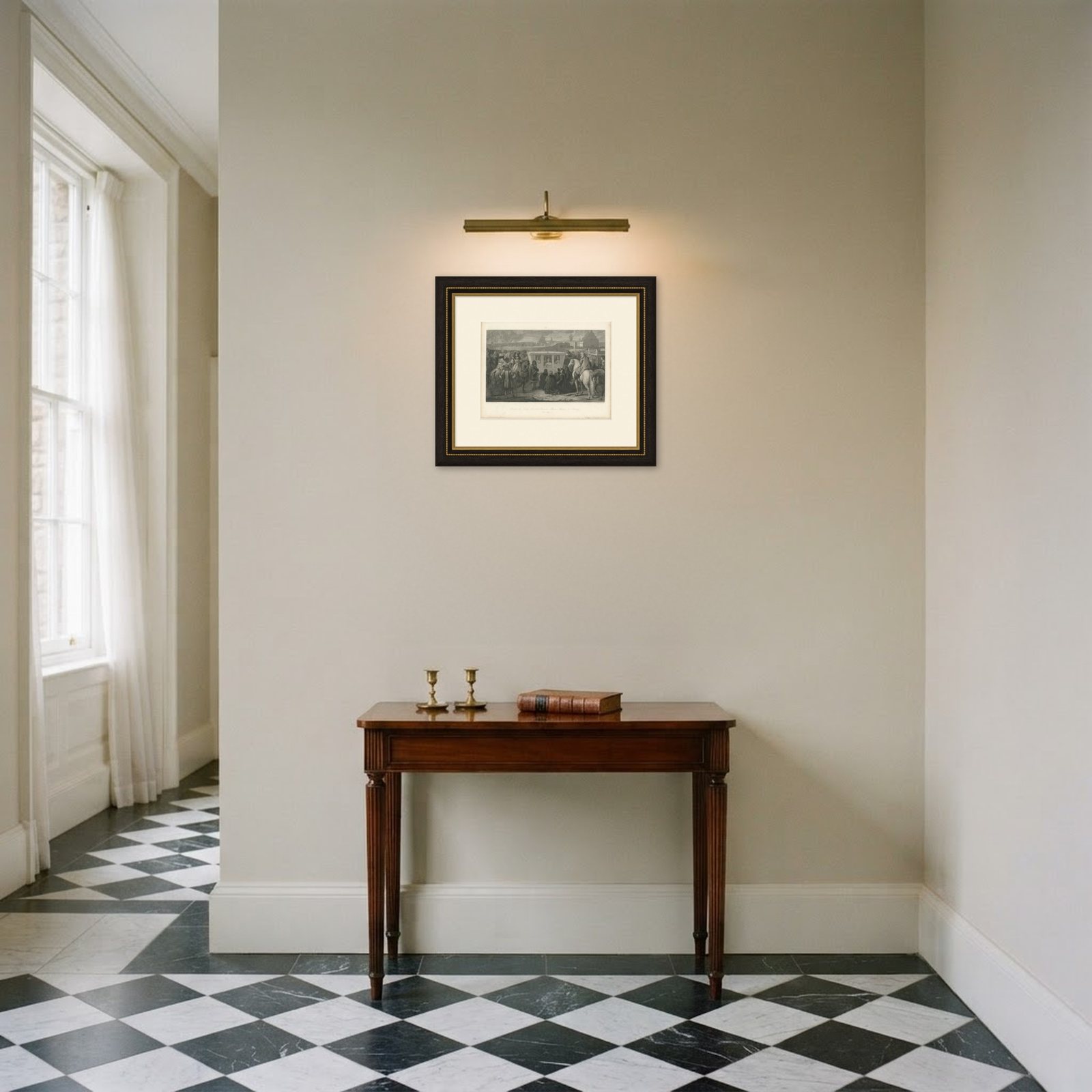
Frame and rooms are illustrations of how the piece could look; it is sold unframed unless the description says otherwise.
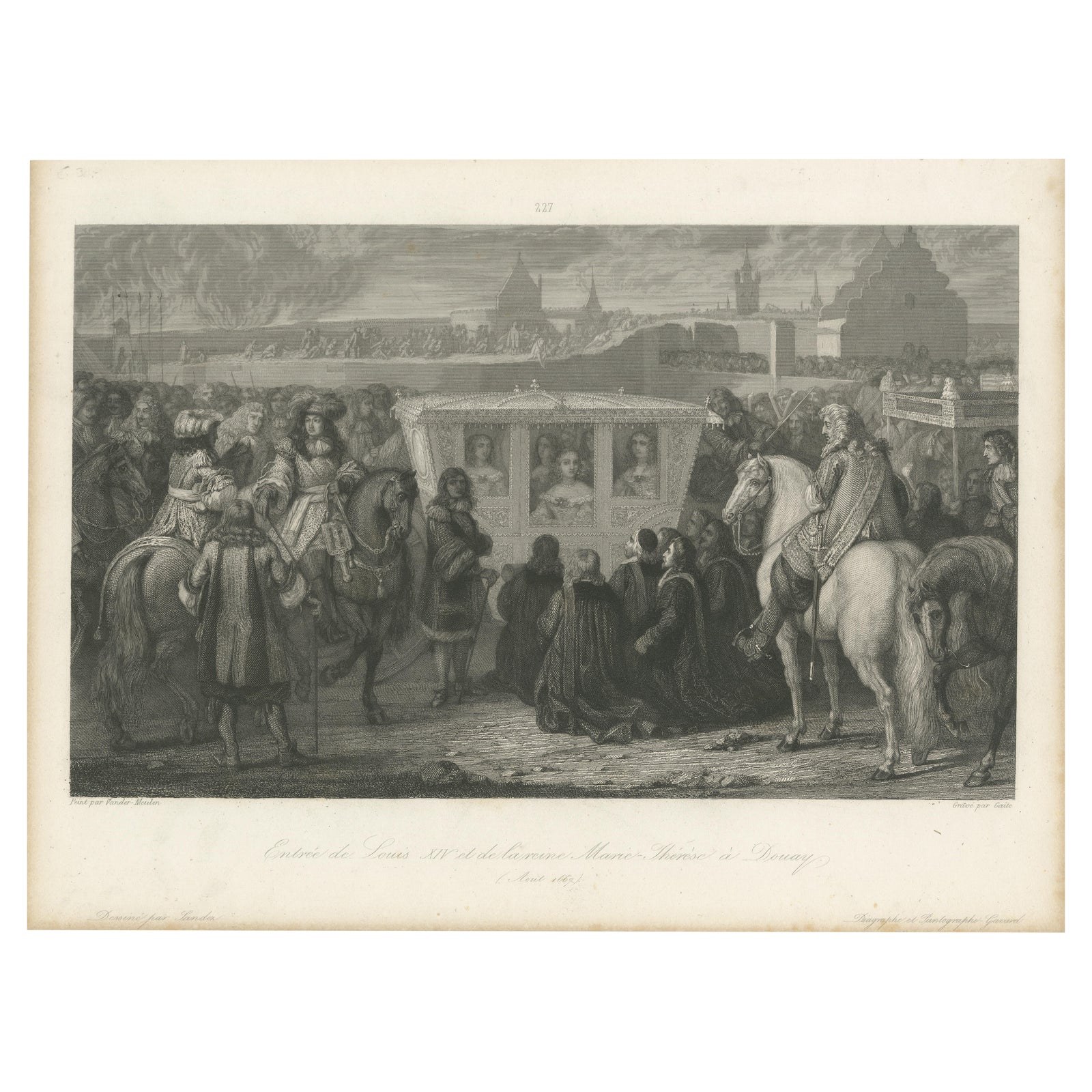
Entry of Louis XIV and Maria Theresa into Douai, 1667, In the War of Devolution
£235£16530% off
$215 · €196
Original print, not a reproduction.
Ships worldwide from the Netherlands, flat or rolled, insured and tracked. 14-day returns.
- Date
- 1667
- Sheet size
- 10.6 × 14.2 in (27 × 36 cm)
- Condition
- Good. Good condition, minor foxing or browning due to age, mostly around the borders, with clear lines and well-preserved details, showcasing the skill of the engraver in capturing the essence of Van der Meulen's original work.
- Collection
- Battle scenes
- Era
- Before 1700, Pike and siege
- Stock no.
- BG-13201-40
What the condition grades mean
- Excellent
- Bright and clean, with no faults worth mentioning.
- Very good
- Only light signs of age, such as faint toning.
- Good
- Normal signs of age for a sheet of this period: toning, some foxing, small marks or neat old repairs.
- Fair
- Clear faults such as staining, tears or repairs, priced to match.
Every fault we see is written in the condition note, and the whole sheet is shown uncropped in the photos.
Title: Entry of Louis XIV and Maria Theresa into Douai, 1667, Engraved After Van der Meulen
Description: This is an original steel engraving from 1860, created after a painting by Adam Frans van der Meulen, and engraved by Gaïté. It depicts the ceremonial entry of Louis XIV and Queen Maria Theresa into the French city of Douai in 1667 during the War of Devolution.
The detailed composition portrays the royal couple in a richly decorated carriage surrounded by courtiers, mounted guards, and an adoring crowd. The background features the fortified city of Douai under dramatic skies, emphasizing its significance as a strategic and cultural hub.
The engraving reflects the grandeur and opulence of the French court during the reign of Louis XIV, also known as the Sun King. The attention to detail in the attire, the horses, and the crowd conveys the pomp and pageantry of this historical moment, a vivid reminder of France's power and influence during the 17th century.
The engraving is in good condition, with clear lines and well-preserved details, showcasing the skill of the engraver in capturing the essence of Van der Meulen's original work. The piece would appeal to collectors of historical prints, especially those interested in French royal history or 17th-century art.