Close-ups
Framed and on the wall
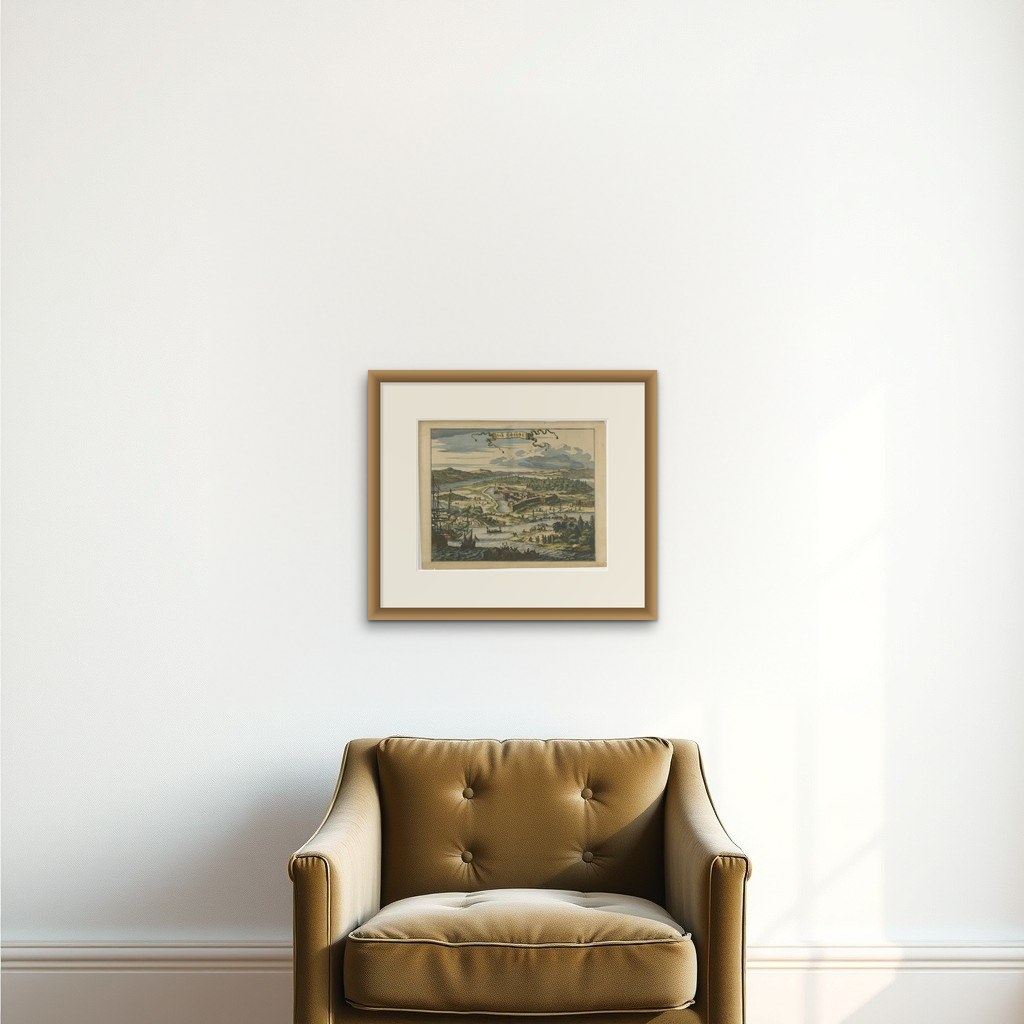

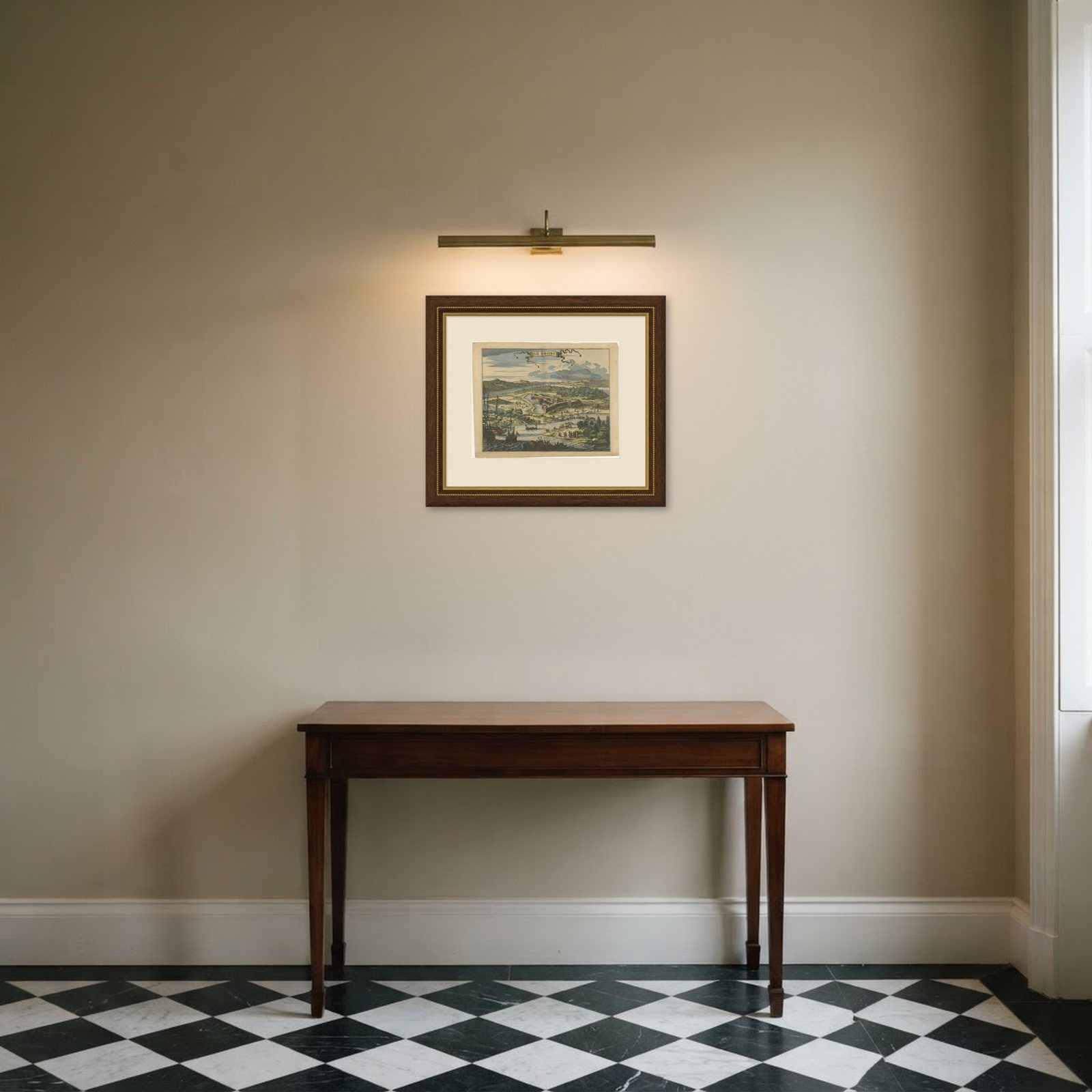
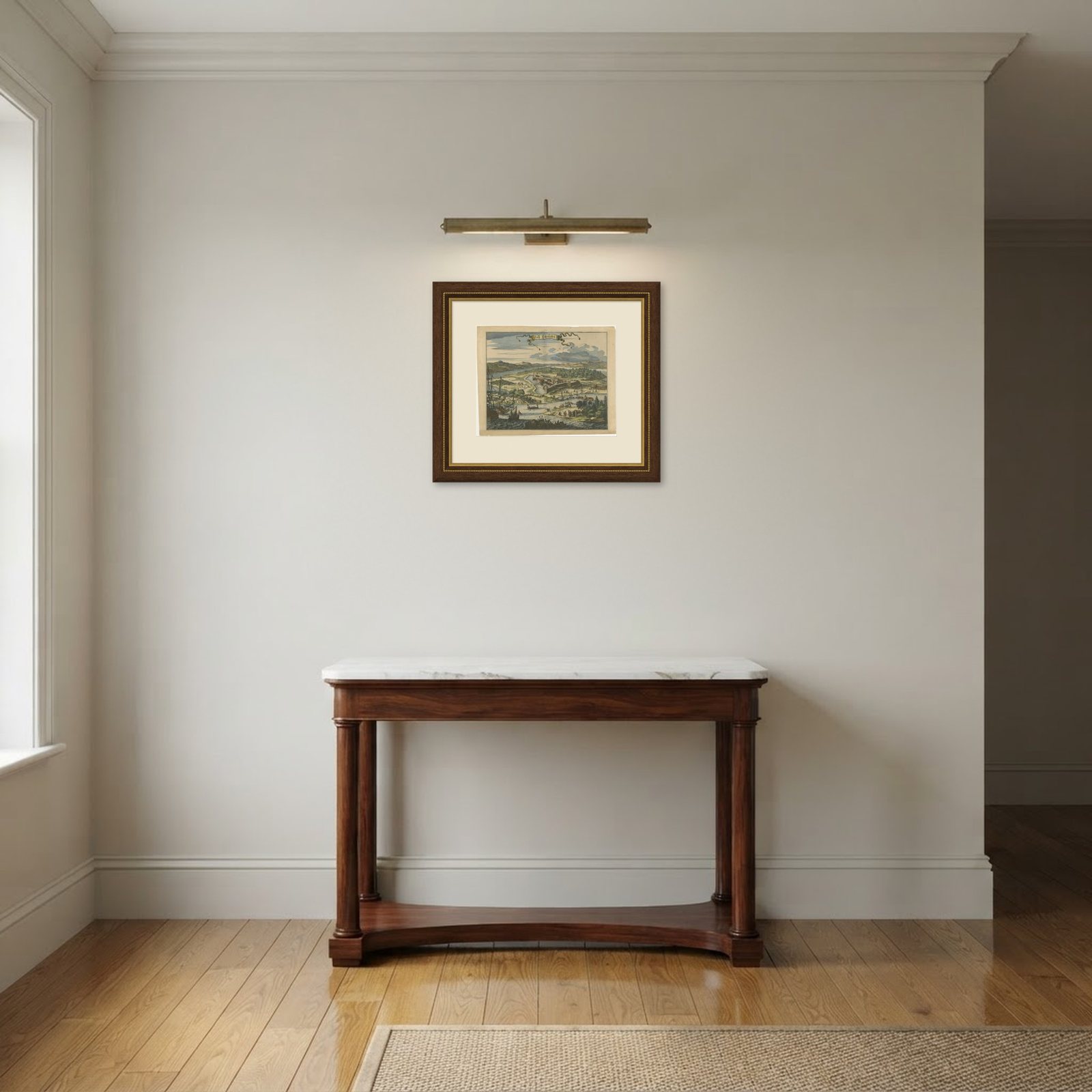
Frame and rooms are illustrations of how the piece could look; it is sold unframed unless the description says otherwise.
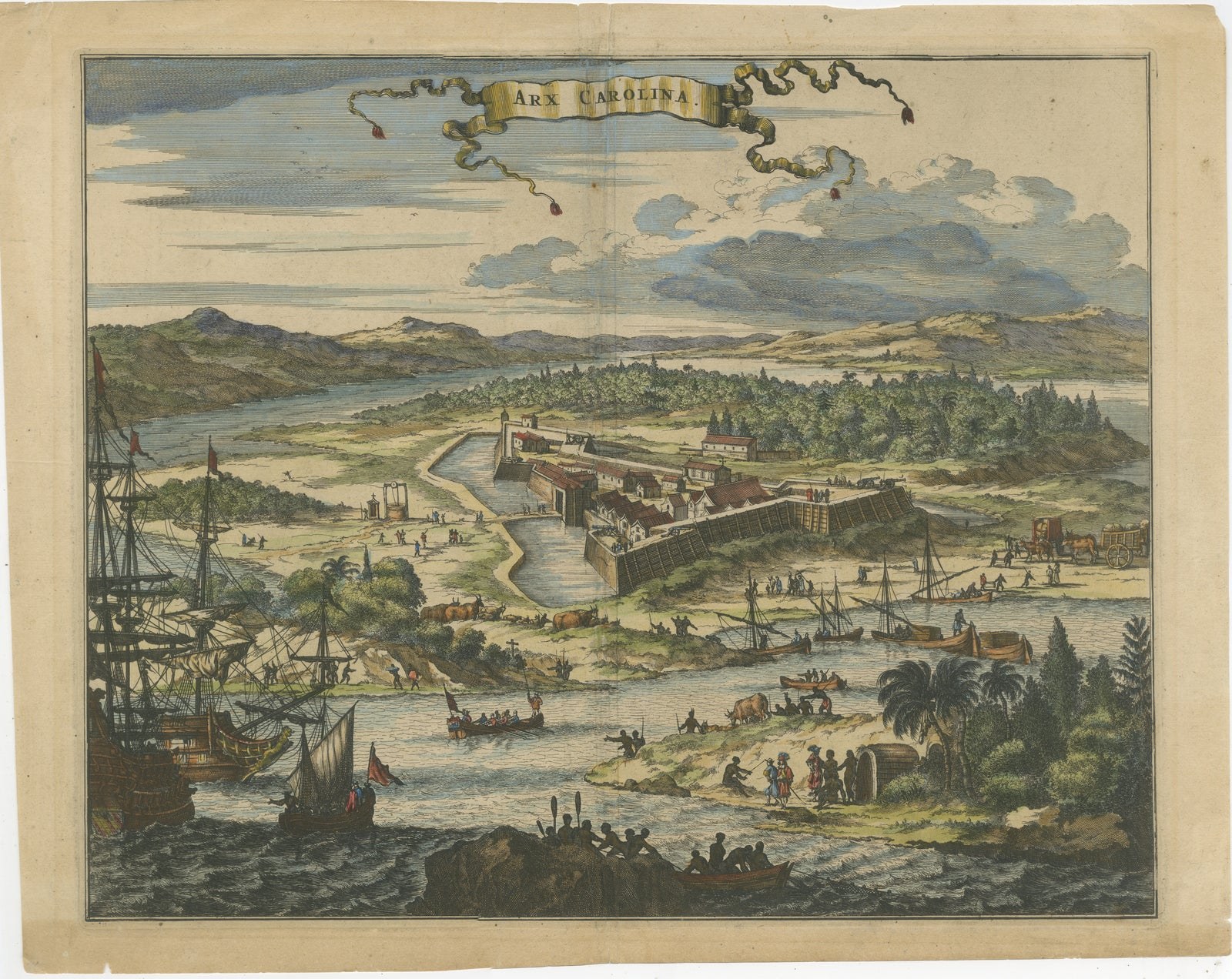
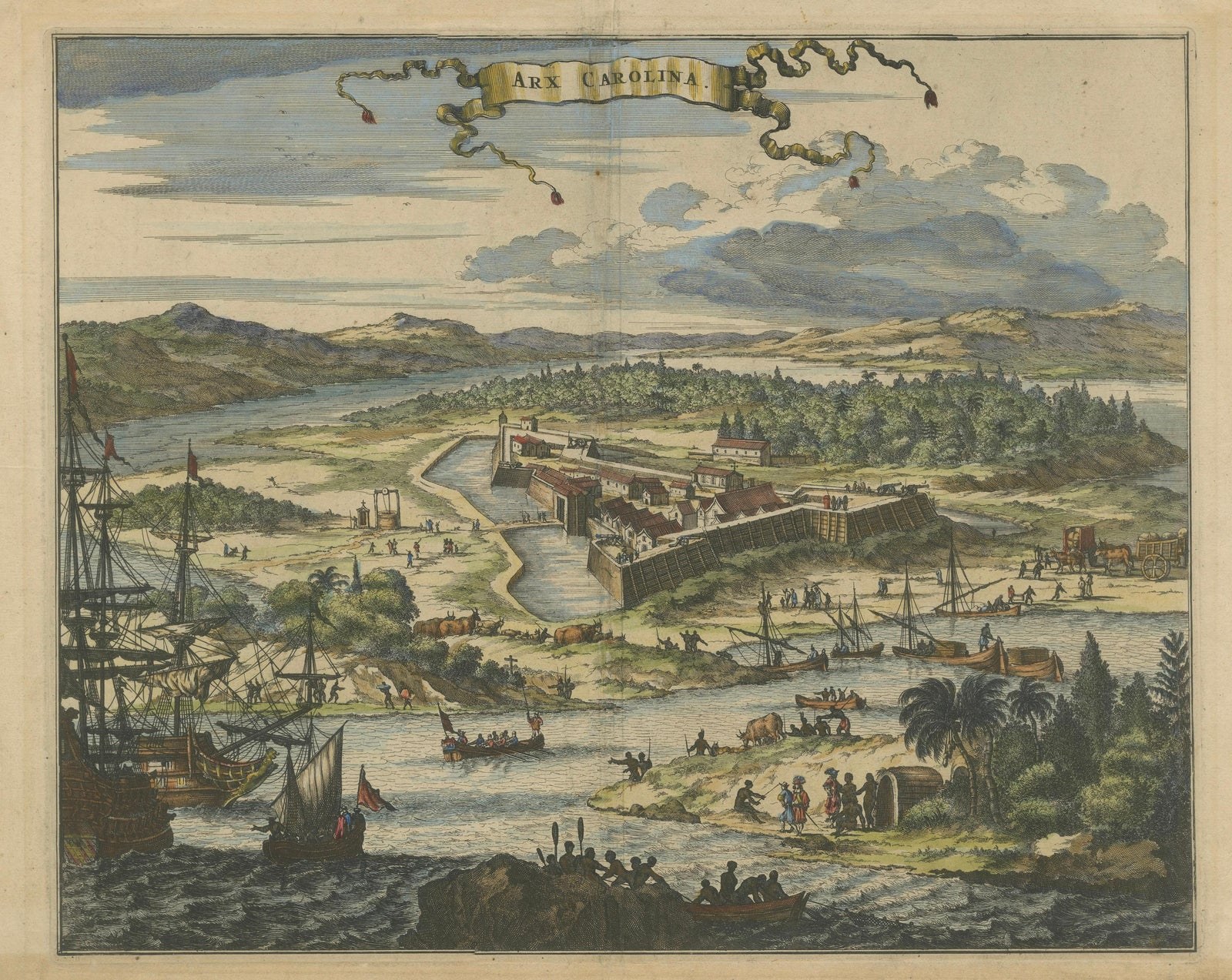
Fort Caroline in Florida, Montanus Engraving, Early America View 1671
$1,065$74530% off
€679 · £570
Original print, not a reproduction.
Ships worldwide from the Netherlands, flat or rolled, insured and tracked. 14-day returns.
- Date
- 1671
- Sheet size
- 12.3 × 15.4 in (31.3 × 39.2 cm)
- Condition
- Good. Good antique condition with age-related toning, light foxing, and a visible central fold as issued. Minor edge wear consistent with age. The sheet retains wide margins and a strong overall presentation.
- Collection
- Sieges & fortresses
- Era
- Before 1700, Pike and siege
- Stock no.
- BG-13384-12
What the condition grades mean
- Excellent
- Bright and clean, with no faults worth mentioning.
- Very good
- Only light signs of age, such as faint toning.
- Good
- Normal signs of age for a sheet of this period: toning, some foxing, small marks or neat old repairs.
- Fair
- Clear faults such as staining, tears or repairs, priced to match.
Every fault we see is written in the condition note, and the whole sheet is shown uncropped in the photos.
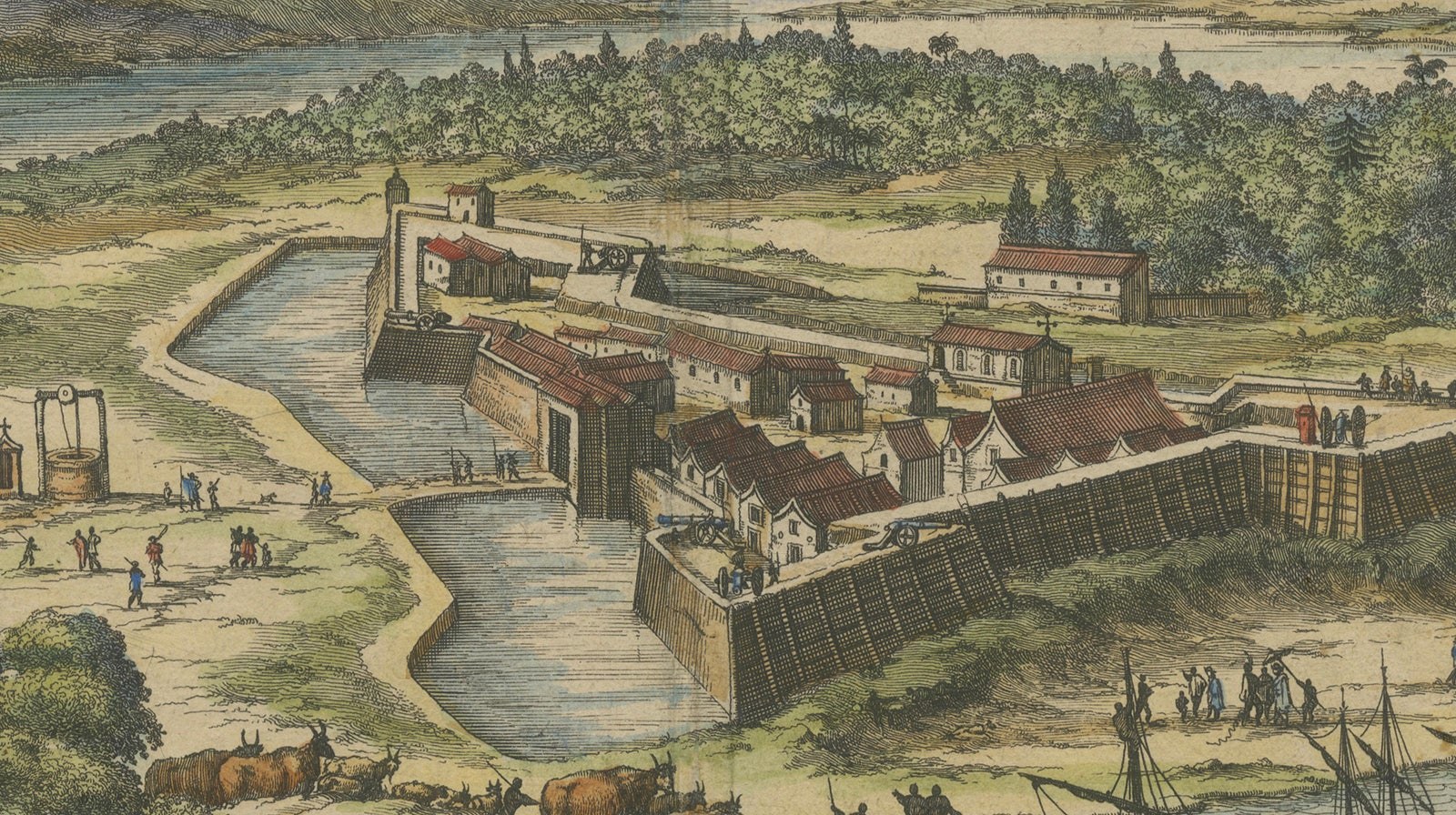
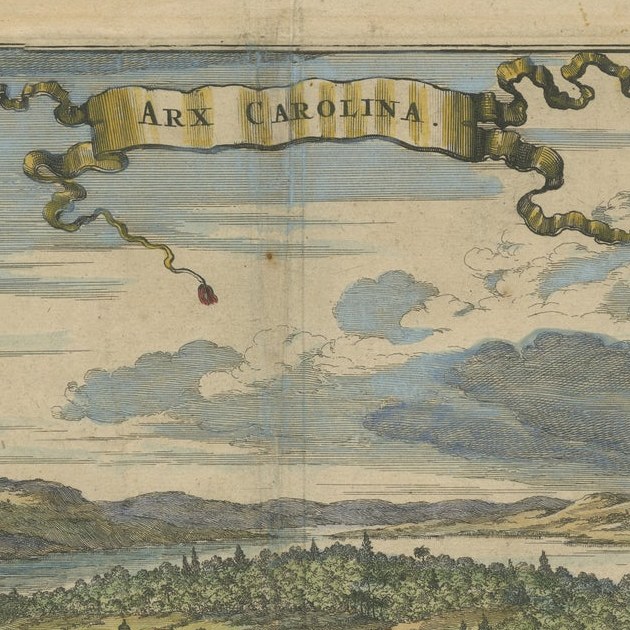
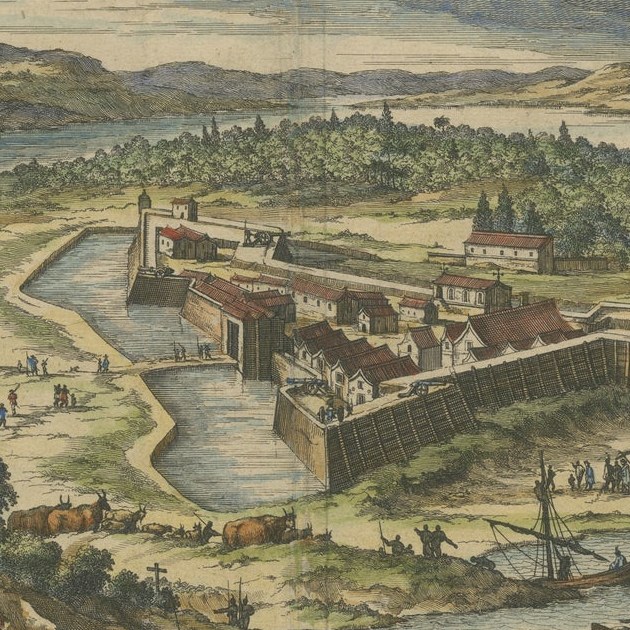
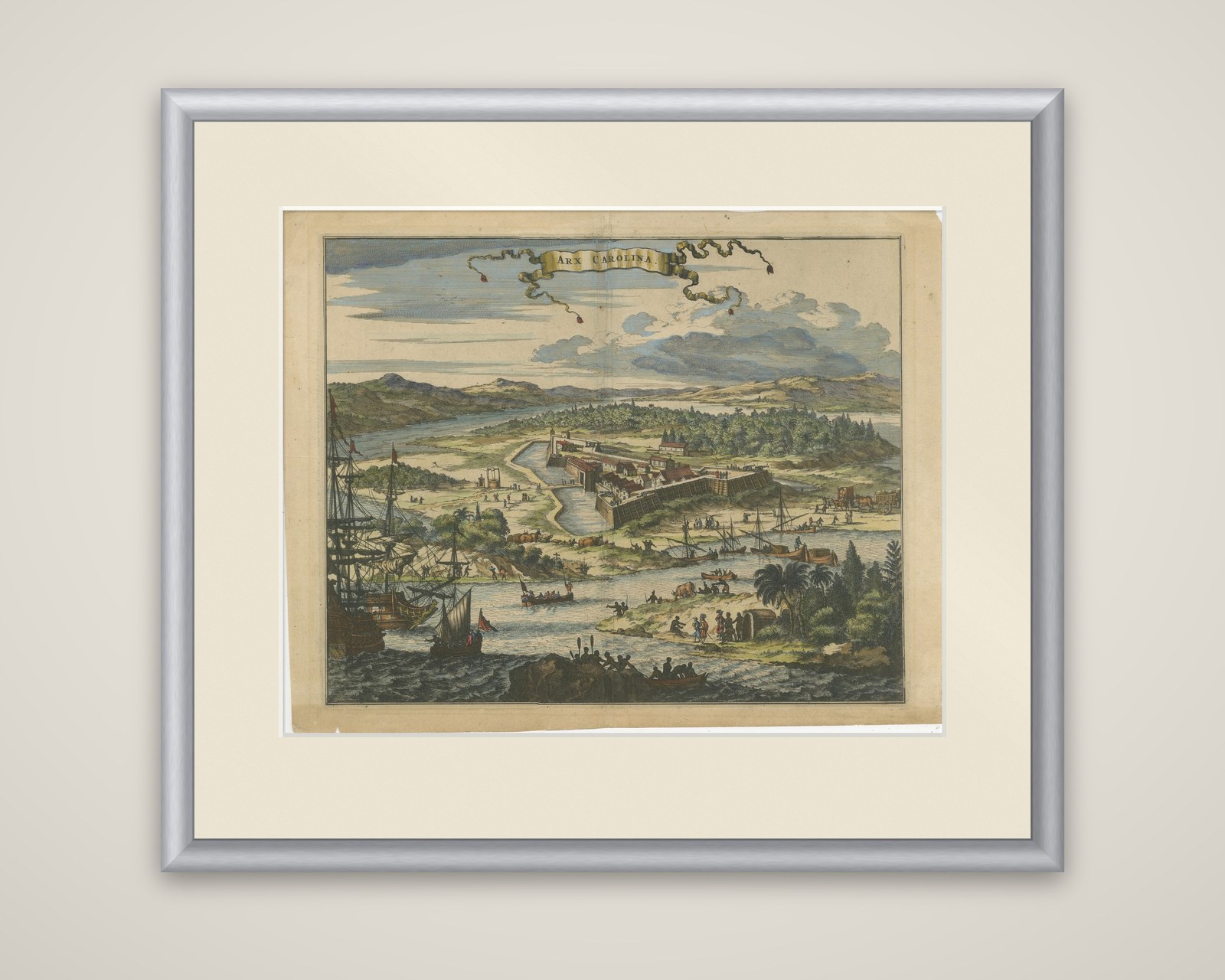
Fort Caroline in Florida, "Arx Carolina", an original copper engraving with hand color from Arnoldus Montanus's De Nieuwe en Onbekende Weereld, published in Amsterdam in 1671. The title is lettered on a ribbon at the top of the plate.
The view shows the French Huguenot settlement on the St. John's River in Florida, near present-day Jacksonville. A triangular fort with a palisade of heavy timbers and a moat stands in the middle distance, with a few houses and a flagstaff inside. Large European ships anchor at the left foreground, and smaller boats with oarsmen move across the river in front of the fort. Native Americans and settlers stand on the shore at the right under palm trees, a cart is drawn on the far bank, and the river bends away to hills in the distance.
The French colony was founded in 1564 and was captured by the Spanish in 1565, who renamed the place San Mateo. Montanus based his plates on earlier travel accounts.