Close-ups
Framed and on the wall
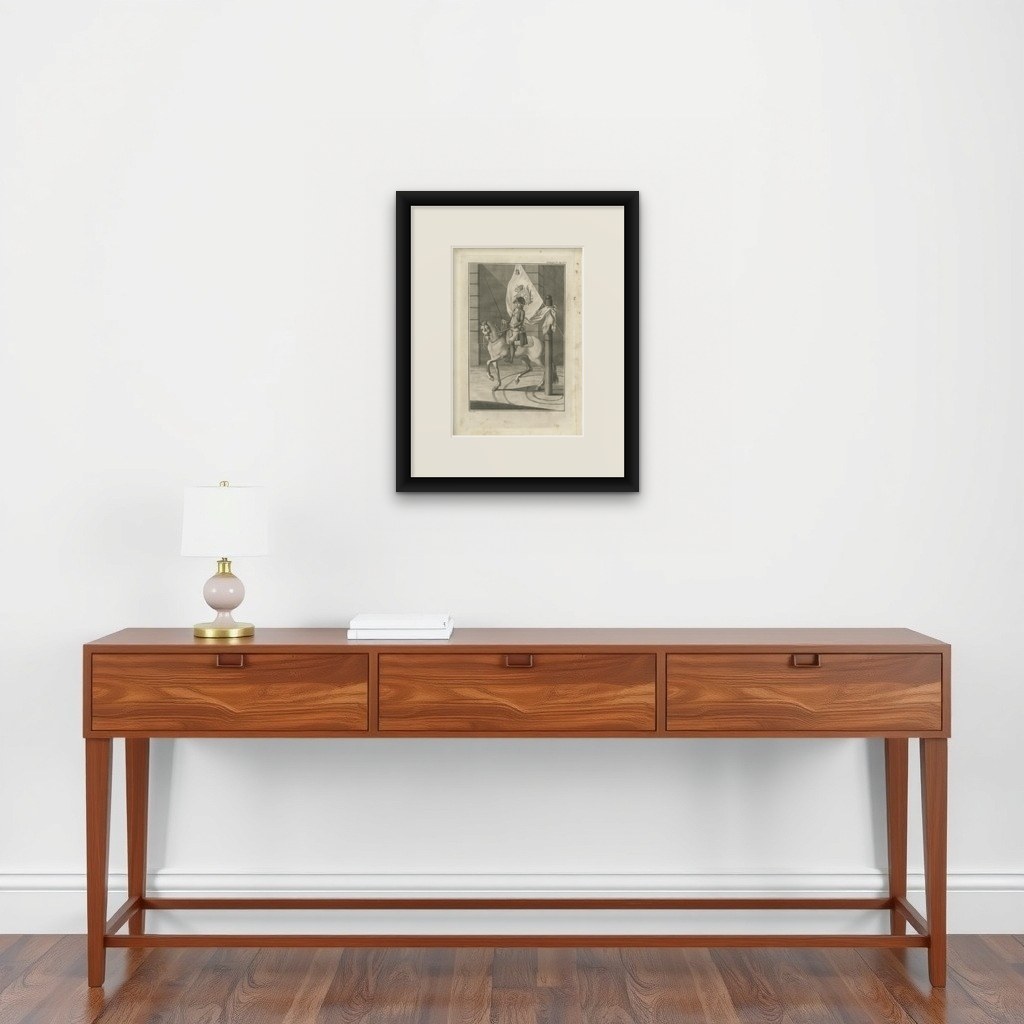

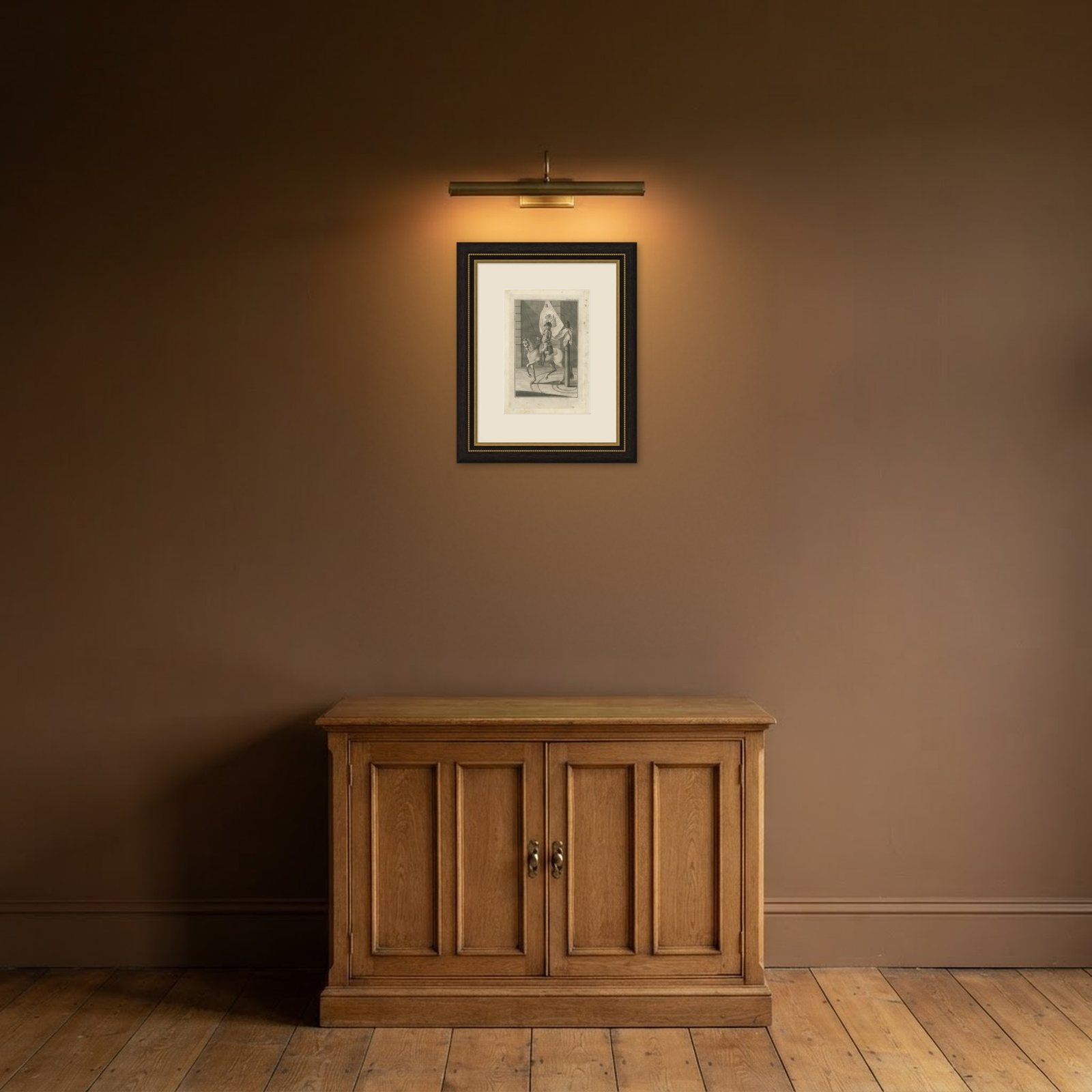
Frame and rooms are illustrations of how the piece could look; it is sold unframed unless the description says otherwise.
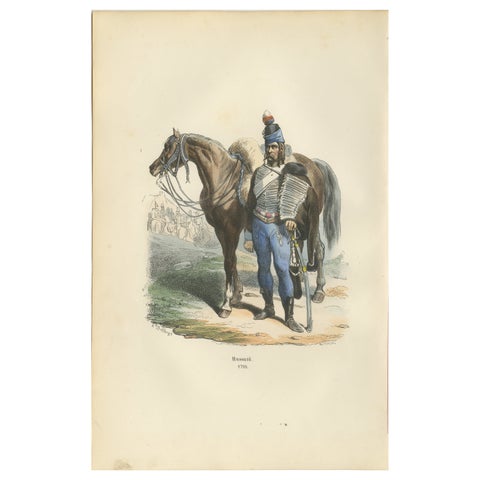
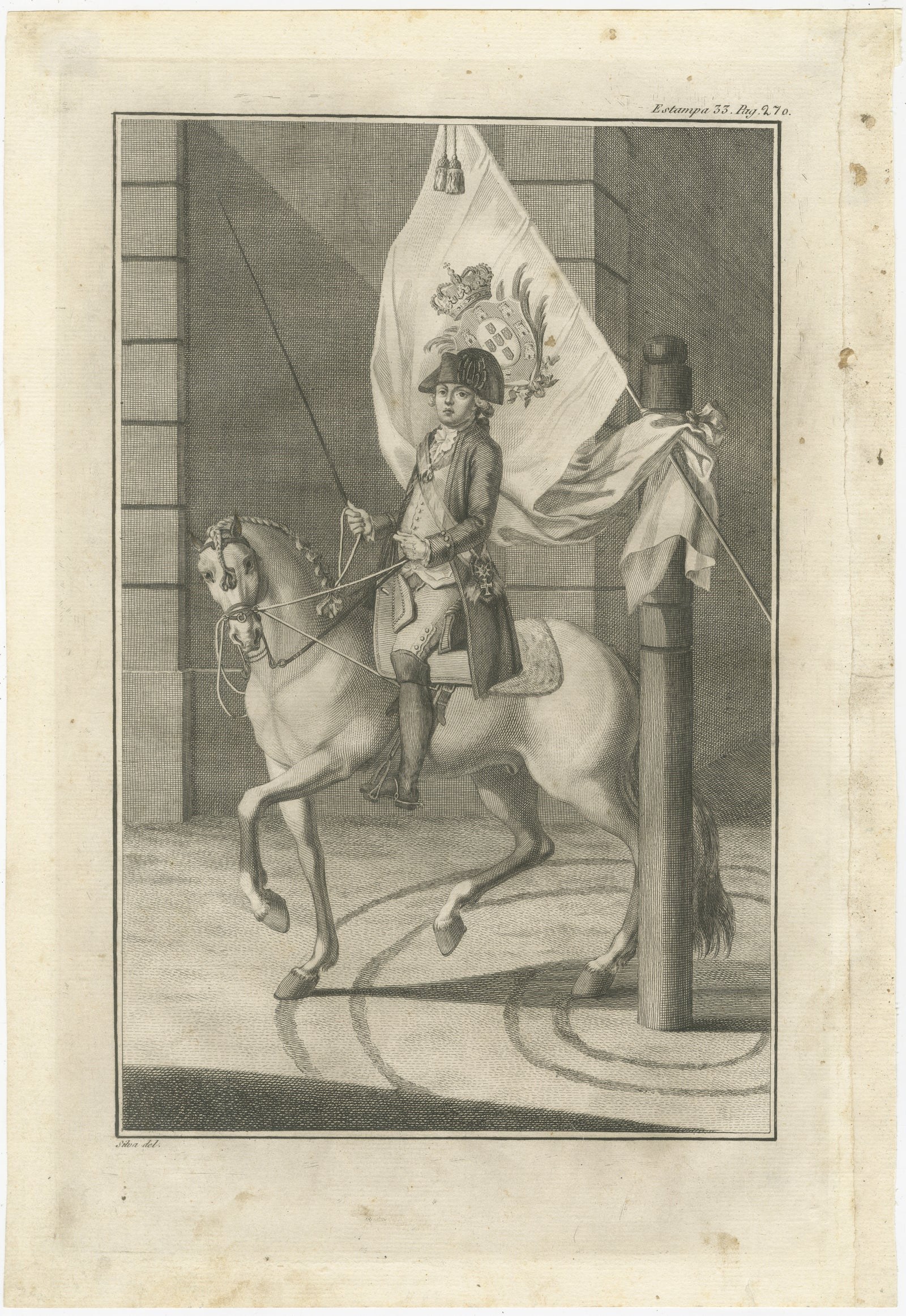
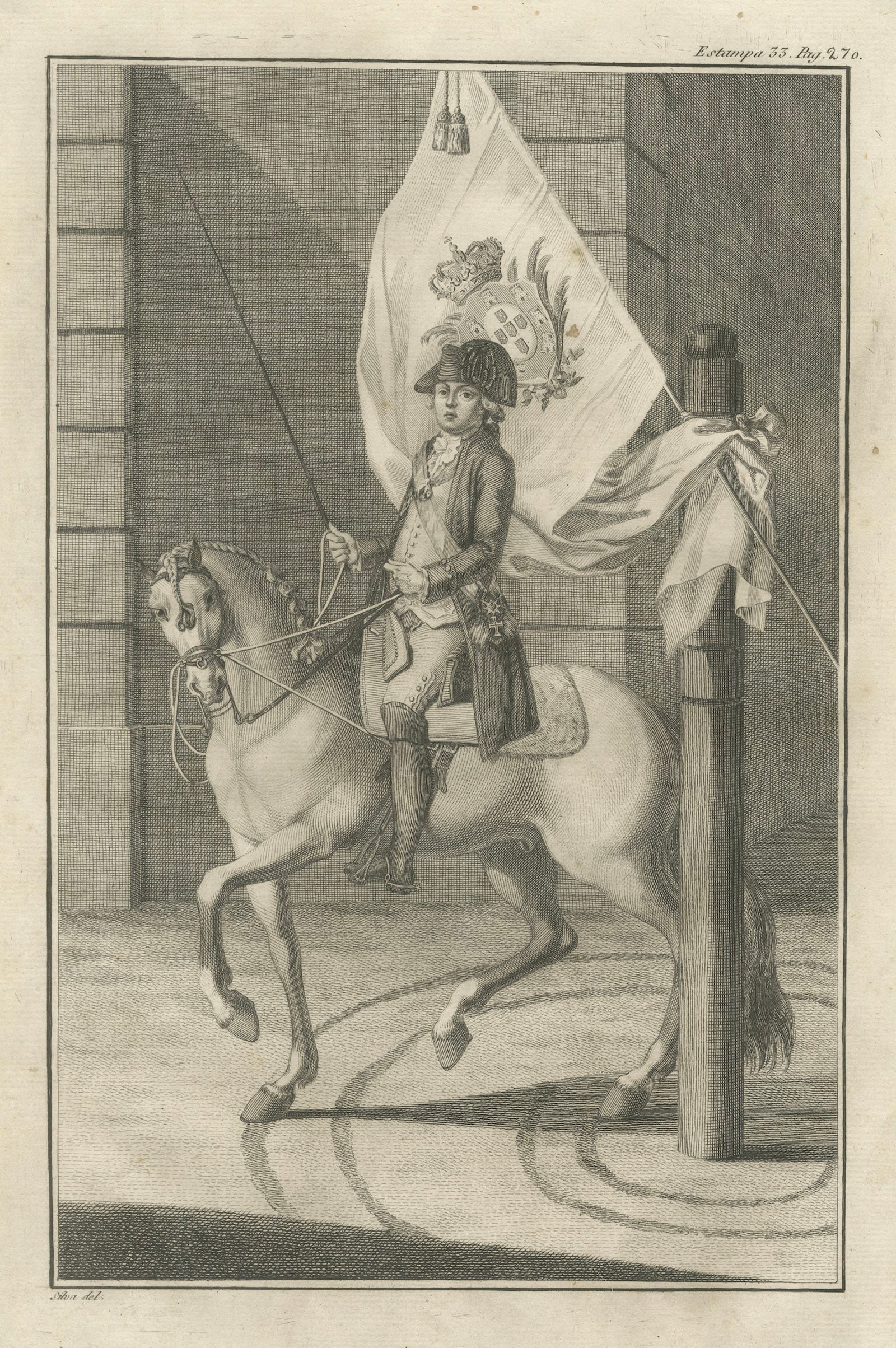
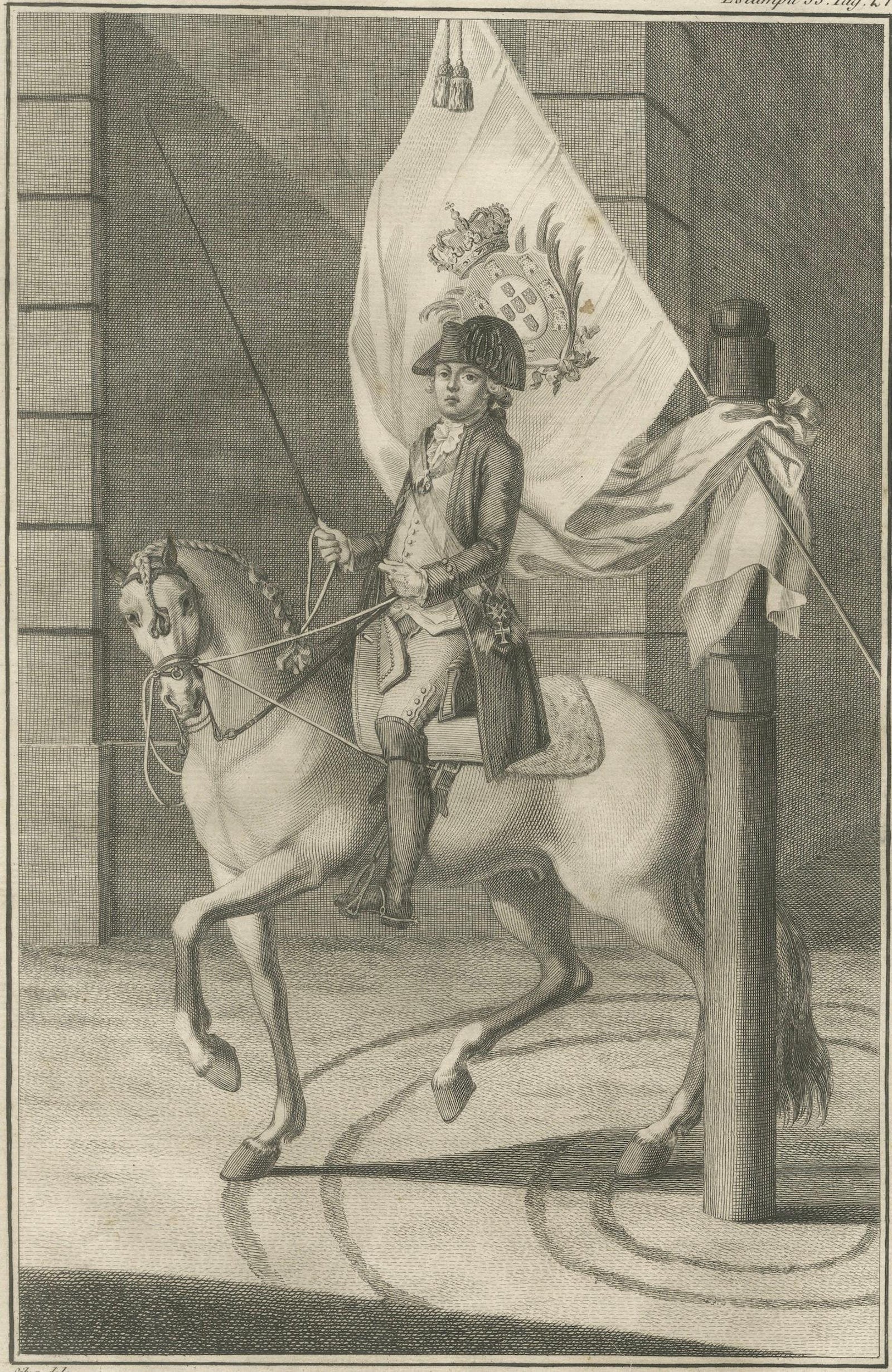
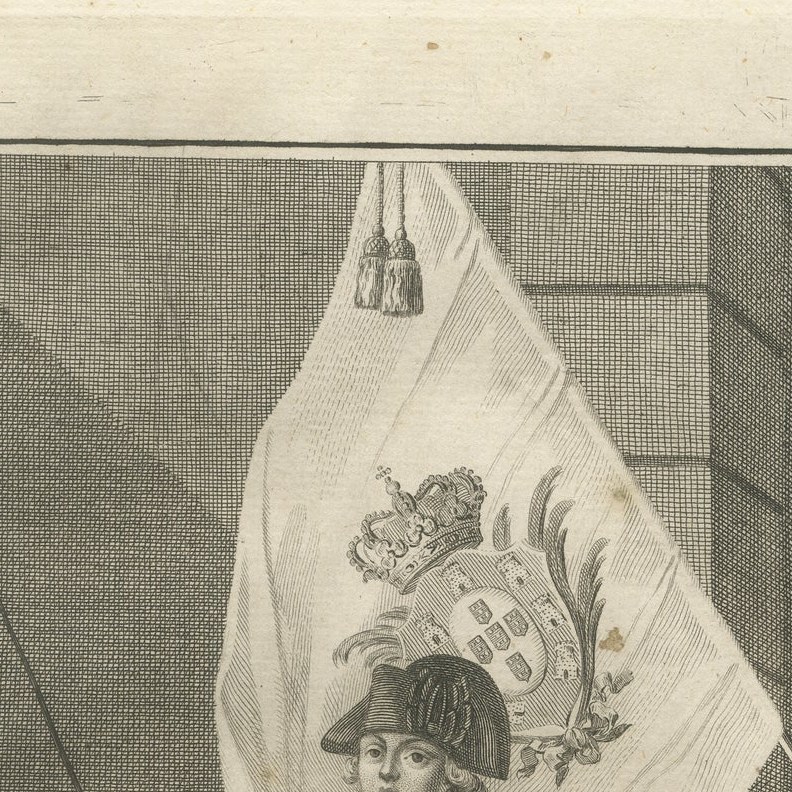
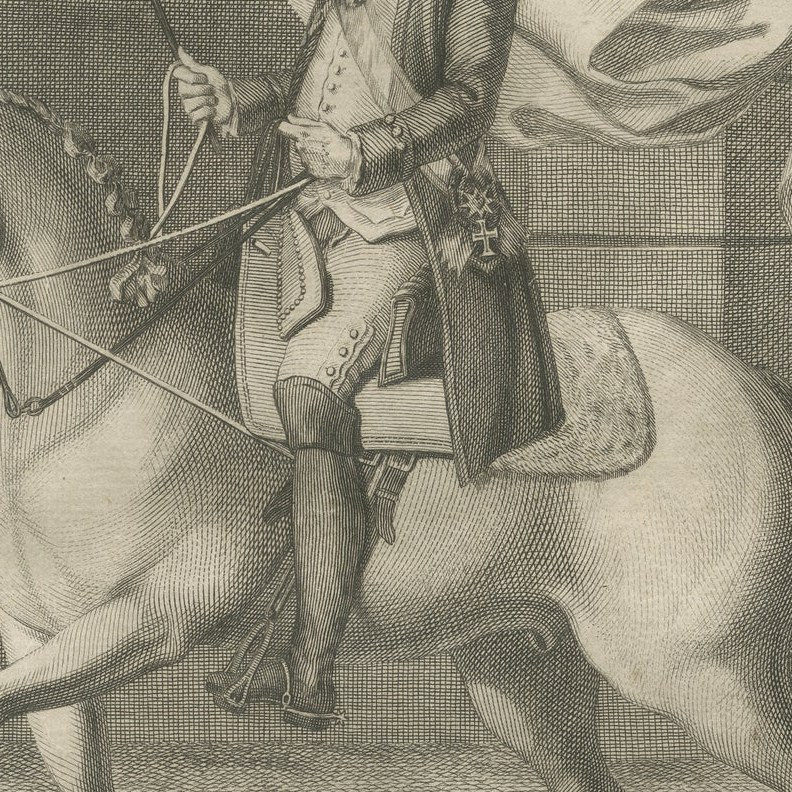
Portuguese Cavalry Officer with Royal Standard, Equestrian Engraving, 1790
€330
$365 · £275
Original print, not a reproduction.
Ships worldwide from the Netherlands, flat or rolled, insured and tracked. 14-day returns.
- Date
- 1790
- Sheet size
- 12.8 × 8.8 in (32.5 × 22.4 cm)
- Condition
- Good. Good overall condition with age-related toning and minor wear to the margins. Pleasing original hand-coloring. Plate mark visible.
- Collection
- Uniforms & regiments
- Era
- 1790 to 1815, Napoleonic wars
- Stock no.
- BG-14292-10
What the condition grades mean
- Excellent
- Bright and clean, with no faults worth mentioning.
- Very good
- Only light signs of age, such as faint toning.
- Good
- Normal signs of age for a sheet of this period: toning, some foxing, small marks or neat old repairs.
- Fair
- Clear faults such as staining, tears or repairs, priced to match.
Every fault we see is written in the condition note, and the whole sheet is shown uncropped in the photos.
Piaffe Dressage Lesson in the Pillars, Encyclopédie Horse Engraving, 1750
This refined mid-18th century hand-colored copperplate engraving titled Manège, La Capriole. Leçon du Piafer dans les Piliers depicts an elegant equestrian training scene centered on the classical art of dressage. The composition shows a mounted rider guiding a highly trained horse through the piaffe exercise between pillars, a traditional method used in elite riding academies to develop collection, balance, and elevated movement. Several attendants and observers dressed in fashionable period attire stand nearby, reinforcing the formal atmosphere of aristocratic horsemanship during the French Enlightenment.
The engraving was drawn by Harguiniez and engraved by Robert Bénard, one of the principal engravers associated with Denis Diderot and Jean le Rond d’Alembert’s monumental Encyclopédie. Published around 1750, the plate belongs to the important series illustrating the sciences, arts, and refined practices of the era. Equestrian subjects such as this reflected both technical instruction and elite culture, documenting the sophisticated riding traditions practiced in the great manèges of France.
The horse is shown performing the piaffe, an advanced collected trot executed nearly in place, still regarded today as one of the most demanding movements in classical dressage. The reference to “les piliers” relates to the use of training pillars, a method associated with haute école riding traditions developed in European academies. The composition combines technical precision with elegant draftsmanship, typical of the Encyclopédie engravings, while the delicate original hand-coloring adds warmth and visual appeal.
This engraving holds strong appeal for collectors of equestrian art, Enlightenment-era prints, French decorative engravings, and historical sporting subjects. Its combination of technical riding instruction and aristocratic elegance makes it particularly suitable for interiors such as libraries, studies, riding clubs, country houses, or sophisticated equestrian collections.
The print remains an authentic 18th-century copper engraving with original period hand-coloring. It is not a modern reproduction.
Displays exceptionally well in dark walnut, black lacquer, or lightly gilt frames paired with a wide ivory or oatmeal mat. Particularly attractive in equestrian interiors, libraries, or classic European-style settings.
Technique: Hand-colored copperplate engraving
Maker: Robert Bénard after Harguiniez, France, circa 1750
Special note: This is an original engraving not a reproduction.