Close-ups
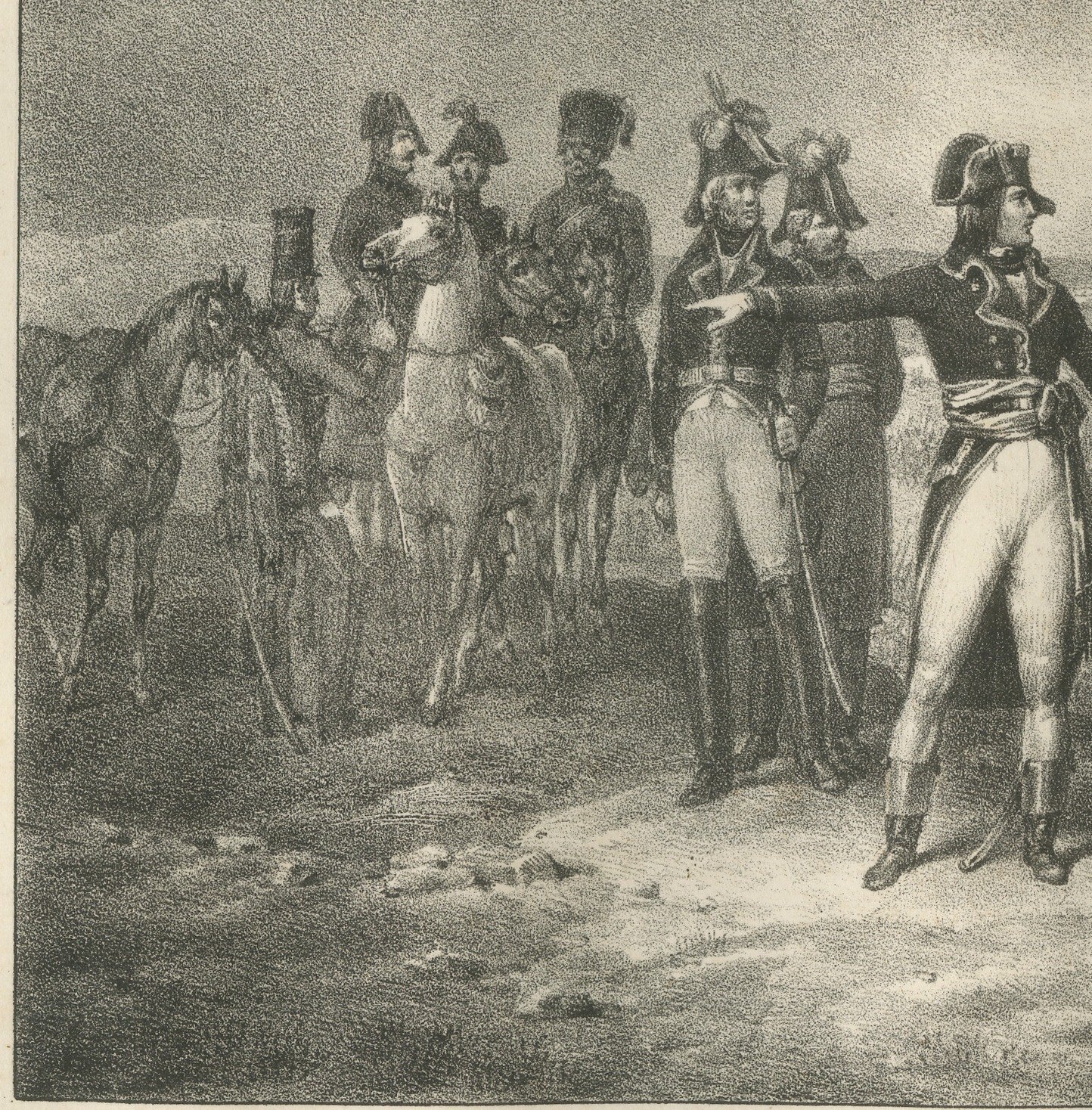
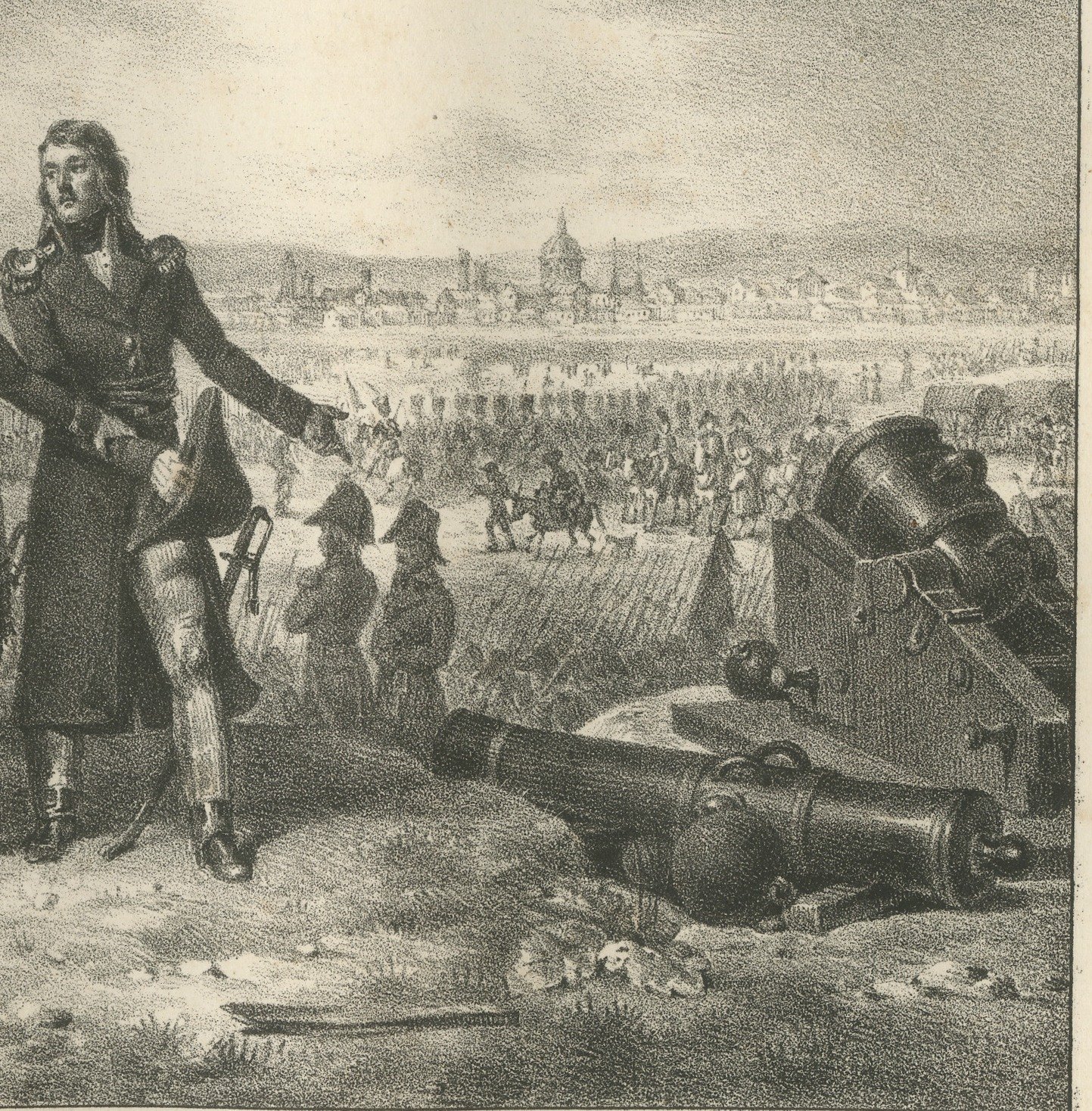
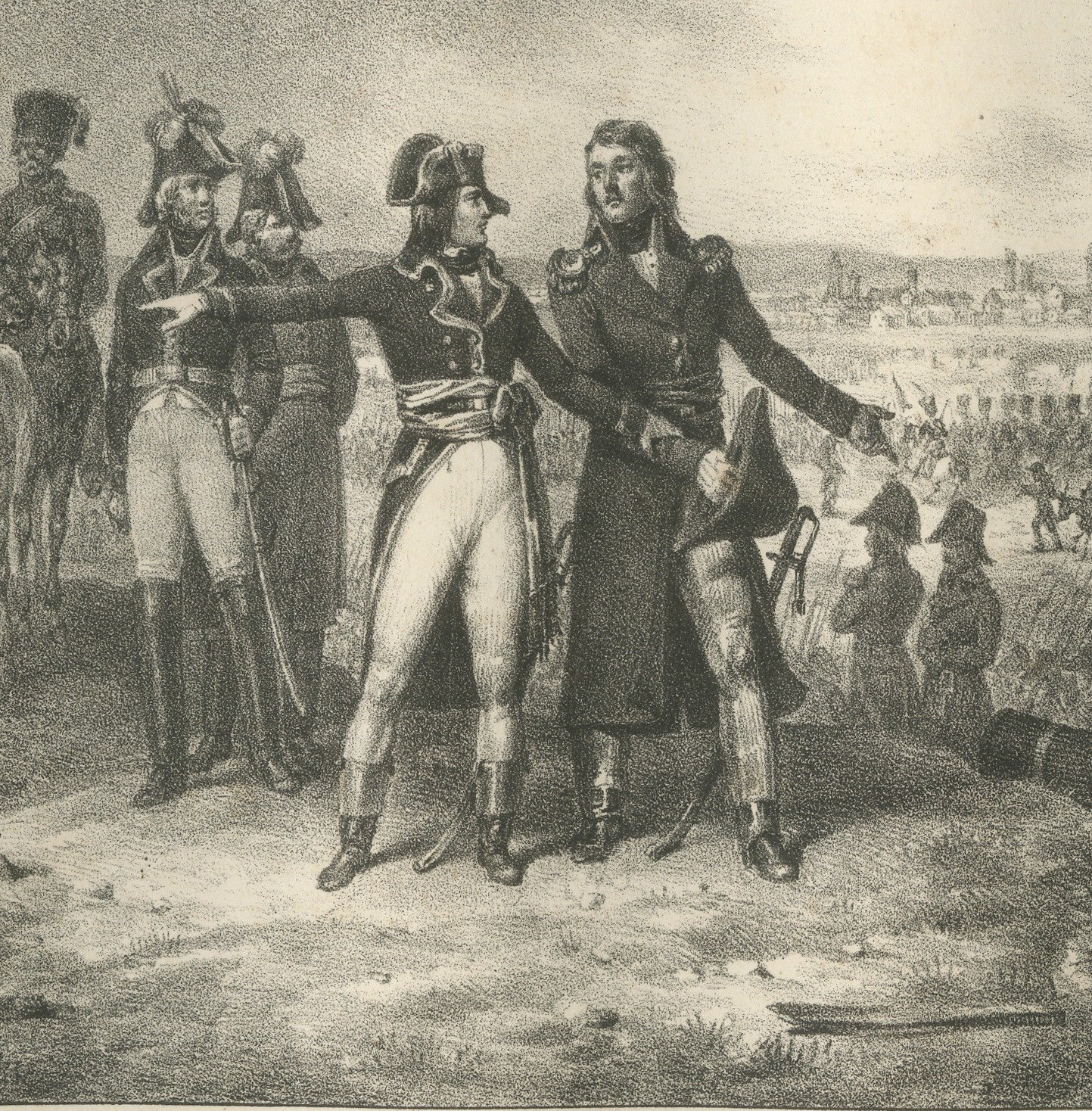
Framed and on the wall
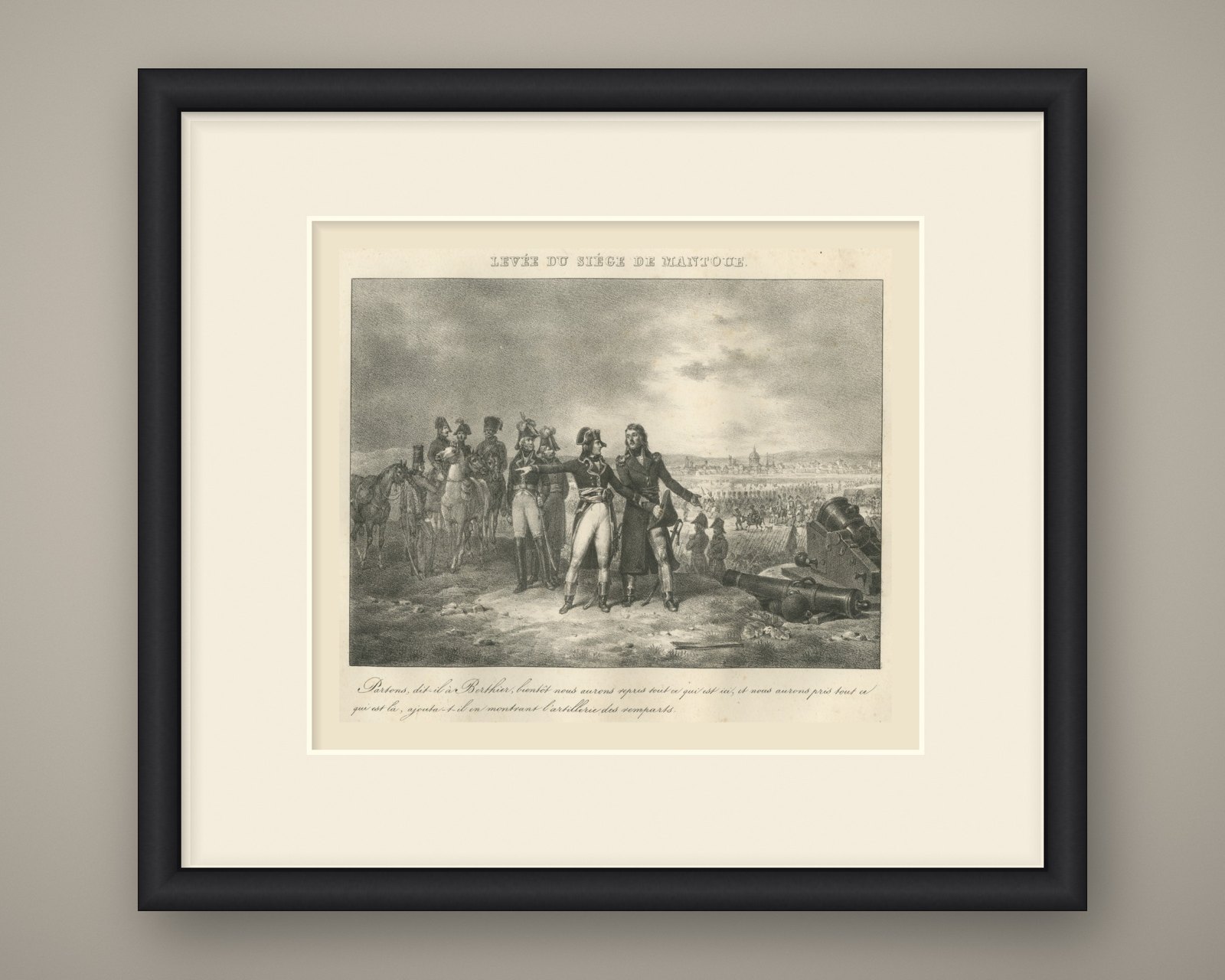
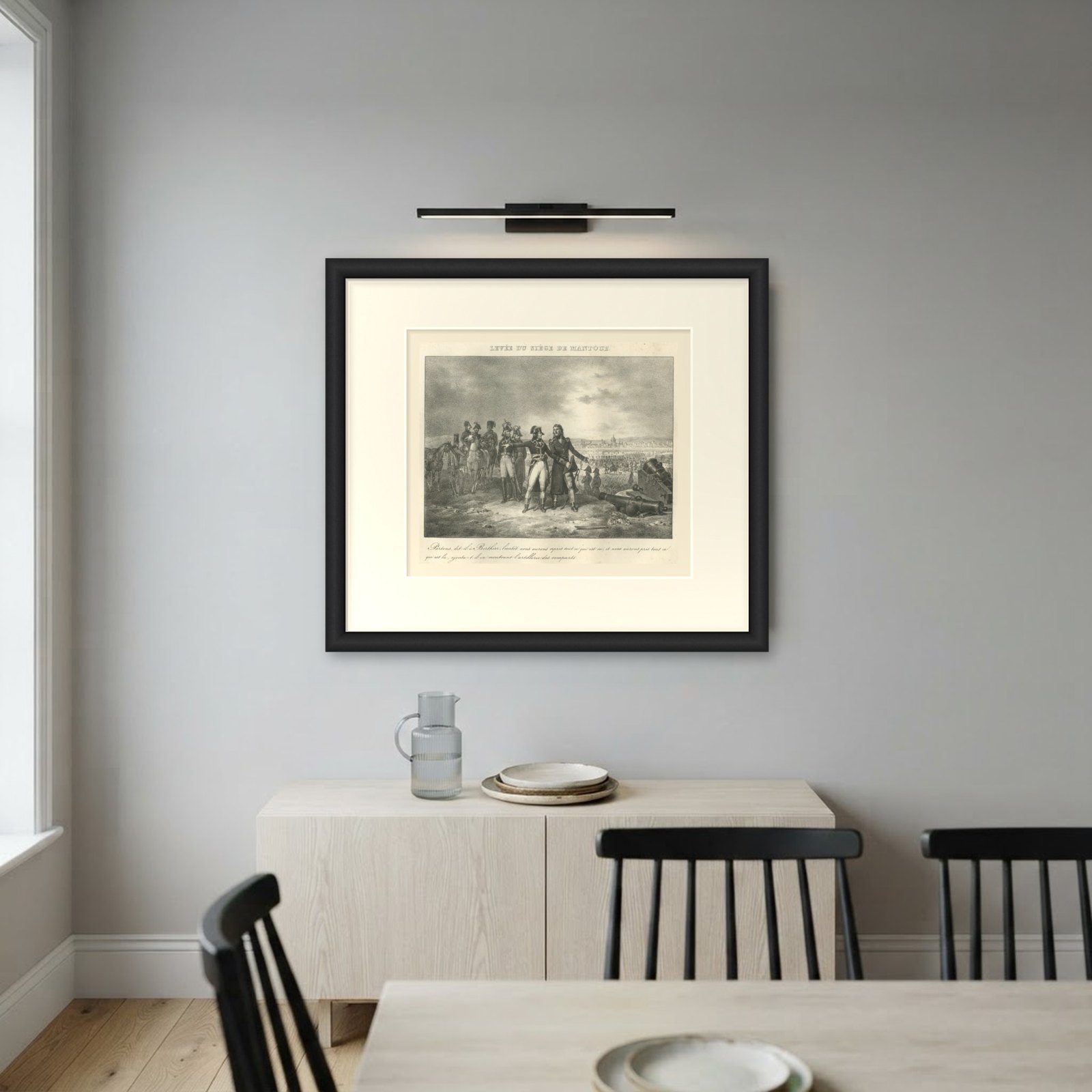
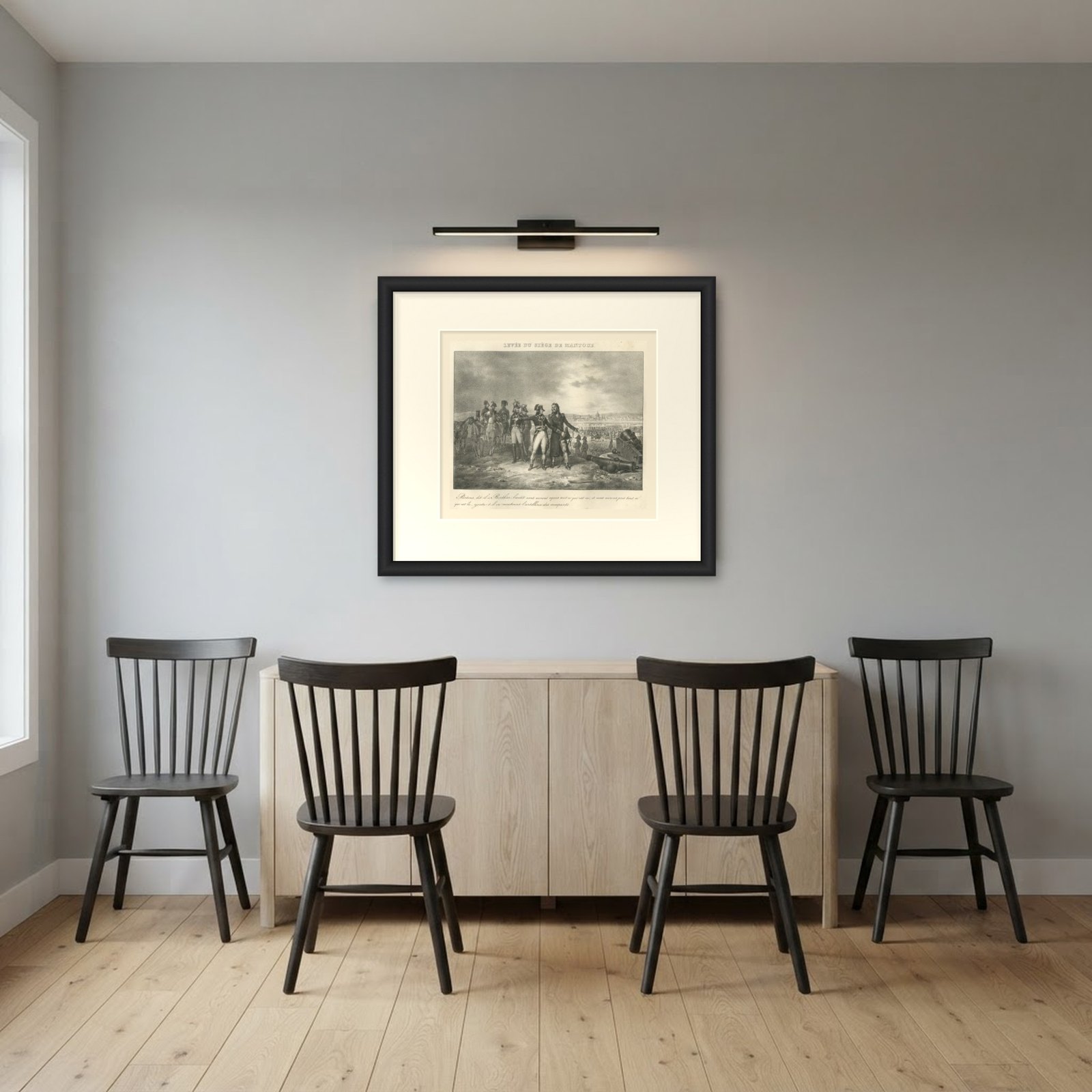
Frame and rooms are illustrations of how the piece could look; it is sold unframed unless the description says otherwise.
Raising the Siege of Mantua, Berthier, Antique Madou Lithograph, 1827
$205
€185 · £155
Original print, not a reproduction.
Ships worldwide from the Netherlands, flat, insured and tracked. 14-day returns.
- Date
- 1827
- Technique
- Lithograph
- Coloring
- Uncolored
- Condition
- Good. Light wear to the bottom left corner. Age toning, darker at the edges; handling soiling along the edges and scattered foxing in the margins. Printed image clean.
- Collection
- Sieges & fortresses
- Era
- 1790 to 1815, Napoleonic wars
- Stock no.
- BG-14174-3-16
What the condition grades mean
- Excellent
- Bright and clean, with no faults worth mentioning.
- Very good
- Only light signs of age, such as faint toning.
- Good
- Normal signs of age for a sheet of this period: toning, some foxing, small marks or neat old repairs.
- Fair
- Clear faults such as staining, tears or repairs, priced to match.
Every fault we see is written in the condition note, and the whole sheet is shown uncropped in the photos.
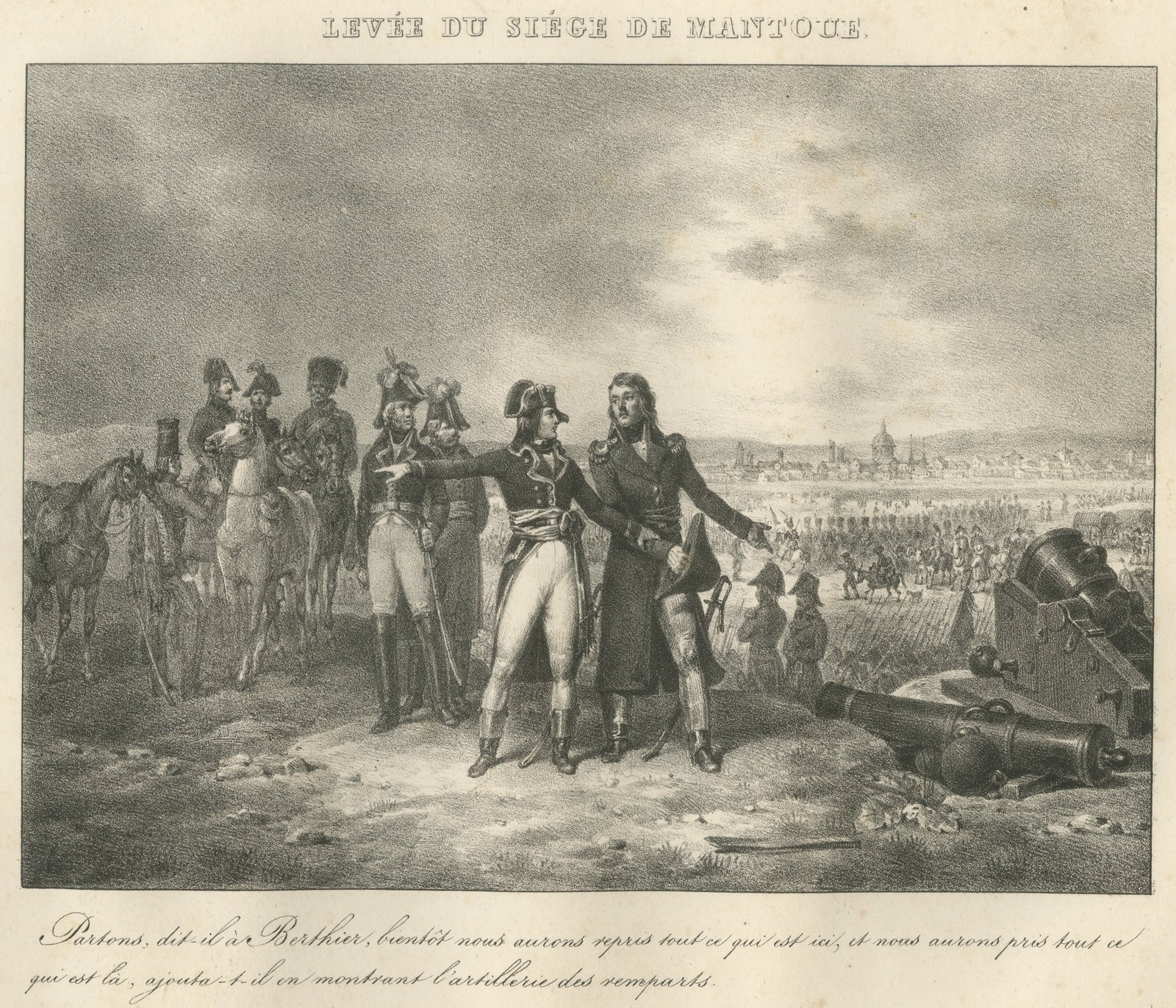
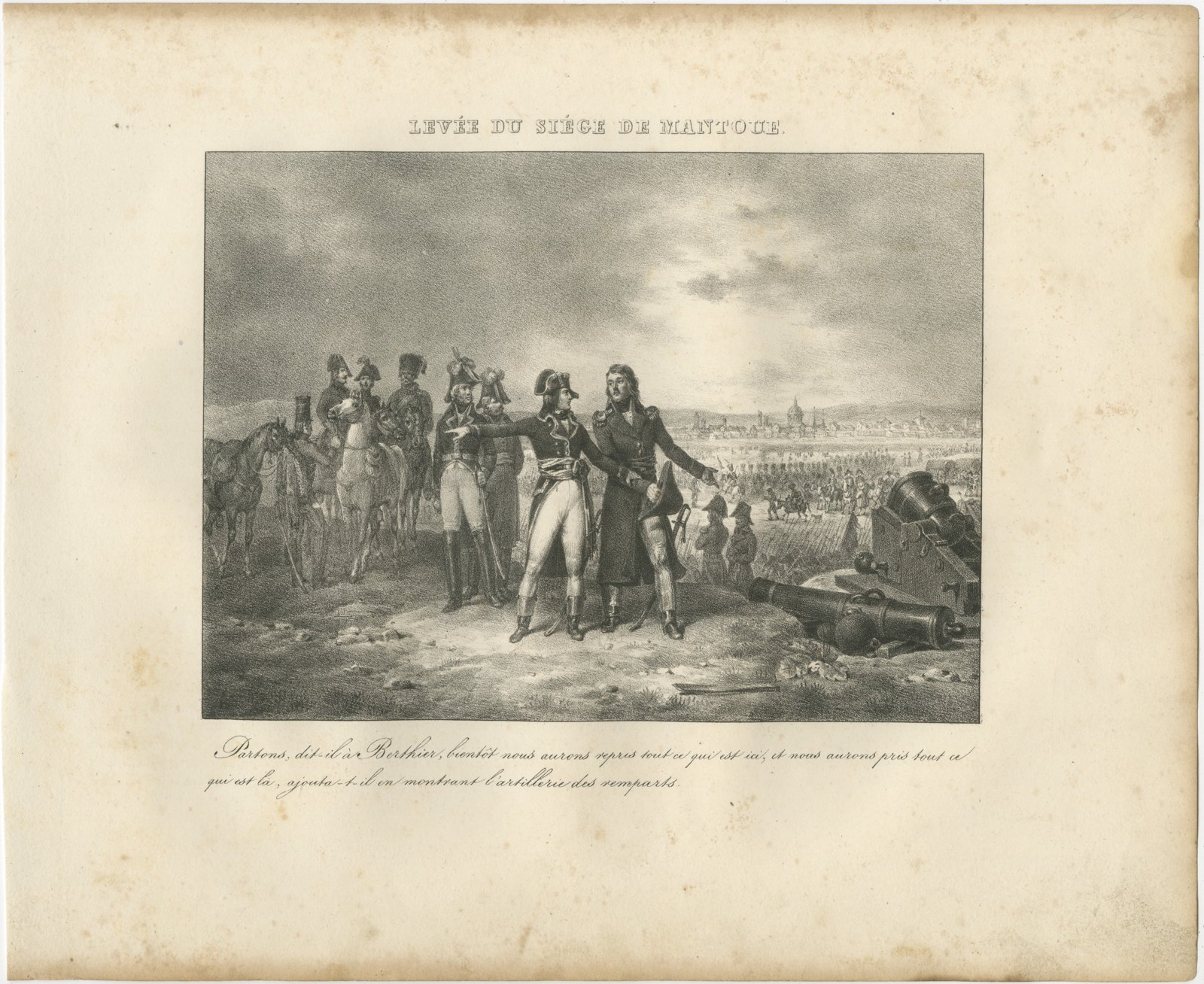
An original antique lithograph of the raising of the siege of Mantua, from Vie de Napoléon, published at Brussels in 1827. The sheet is lettered LEVÉE DU SIÉGE DE MANTOUE in capitals above the image. Bonaparte and Berthier stand together at the center of the sheet, one pointing back toward the waiting staff and horses, the other gesturing out toward the domes and walls of Mantua on the horizon, while a heavy mortar and a siege gun lie abandoned on the ground at the right and troops move off across the plain.
The printed caption below the image reads: Partons, dit-il à Berthier, bientôt nous aurons repris tout ce qui est ici, et nous aurons pris tout ce qui est là, ajouta-t-il en montrant l'artillerie des remparts. In English: Let us go, he said to Berthier; soon we shall have retaken all that is here, and we shall have taken all that is there, he added, pointing to the artillery on the ramparts.
The plate comes from Vie de Napoléon, issued in two volumes at Brussels in 1827 by Marcellin Jobard's Lithographie royale, its text compiled by a society of men of letters from the documents Napoleon dictated and corrected at Saint Helena. The lithographs are credited to the young Jean-Baptiste Madou (1796 to 1877), later celebrated in Belgium as a painter of genre scenes.
At the end of July 1796, with Wurmser's Austrian army marching down to relieve Mantua, Bonaparte gave up the siege and left his siege train behind in order to concentrate against the relief force, the decision that led to the victories of Lonato and Castiglione. It is a crayon lithograph printed in black, uncolored as issued, with the lettered title above the image and the caption in script below.
Condition: Light wear to the bottom left corner. Age toning, darker at the edges; handling soiling along the edges and scattered foxing in the margins. Printed image clean.
Every plate in the series shares the same format and lettering, so a group framed alike reads as a set over a desk, a mantelpiece or along a corridor.
This is an original antique print, not a modern reproduction. This item is sold unframed. Any framed or interior images are shown for presentation and inspiration only, unless the listing explicitly states that the item is sold framed.