Close-ups
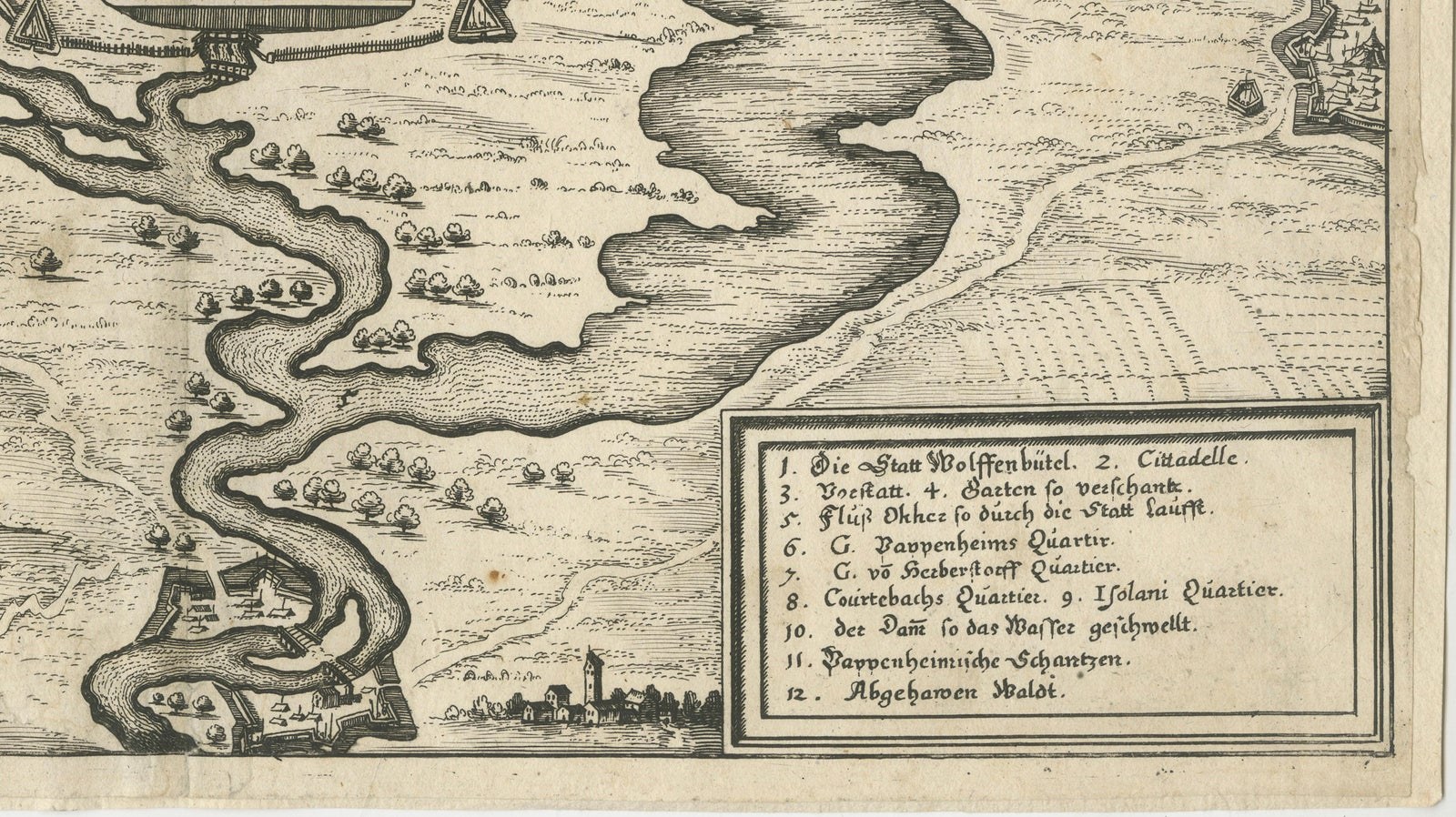
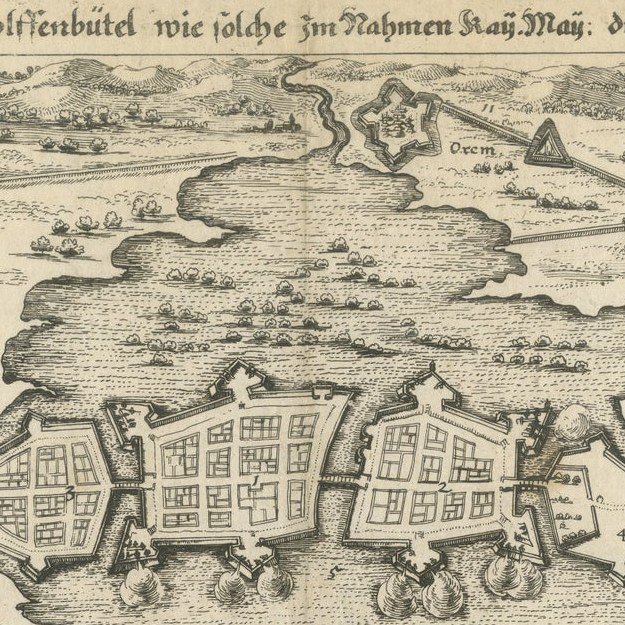
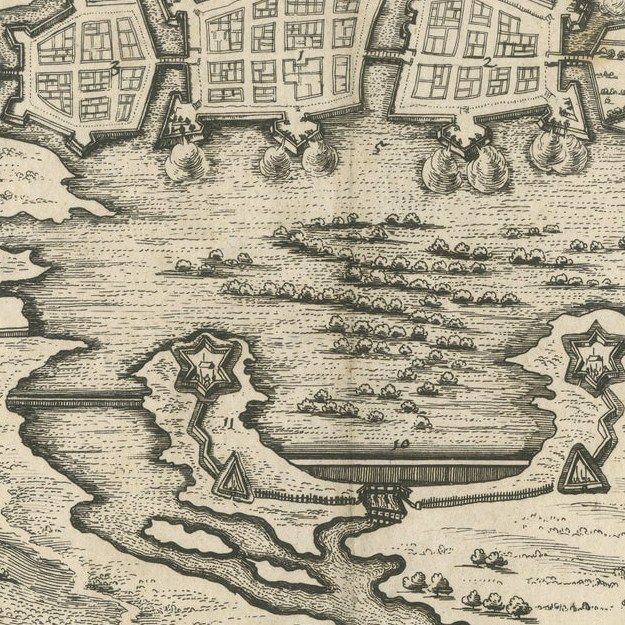
Framed and on the wall
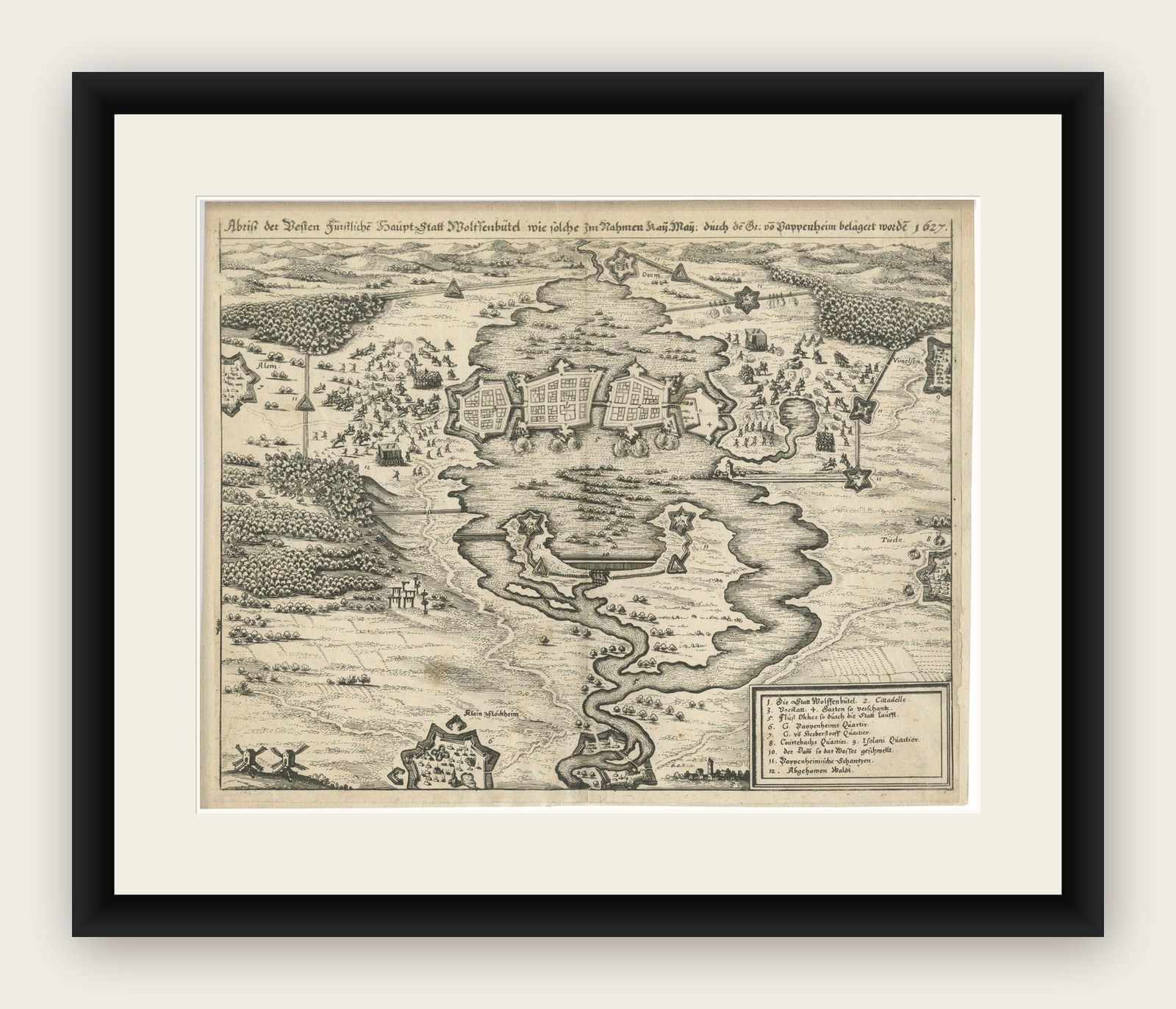
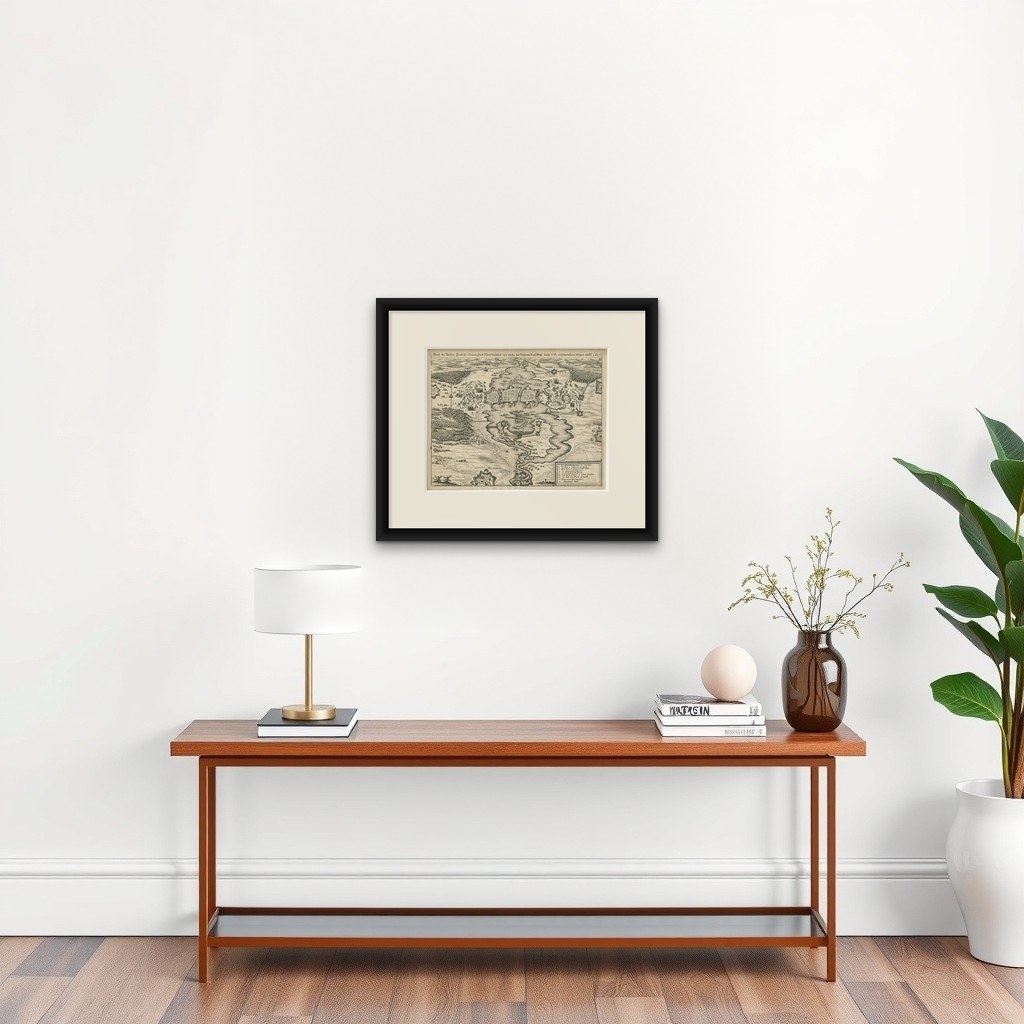

Frame and rooms are illustrations of how the piece could look; it is sold unframed unless the description says otherwise.
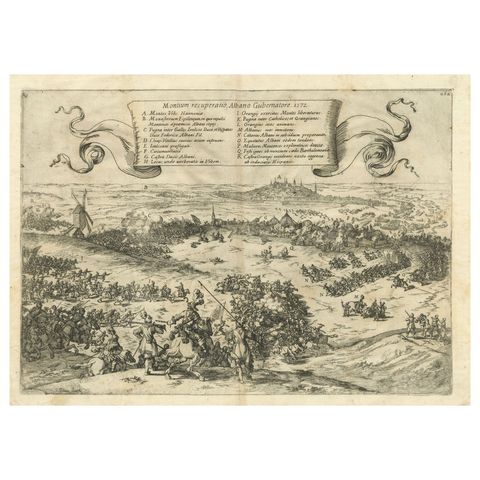
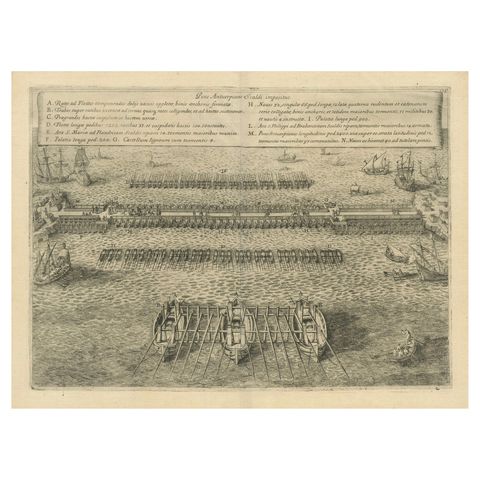
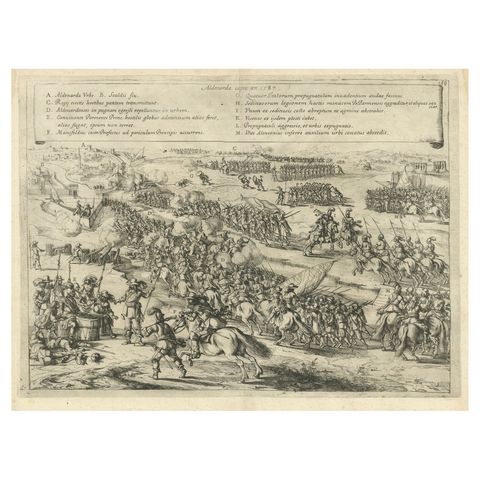
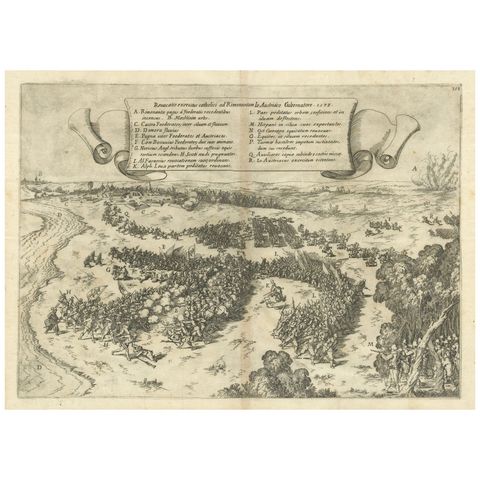
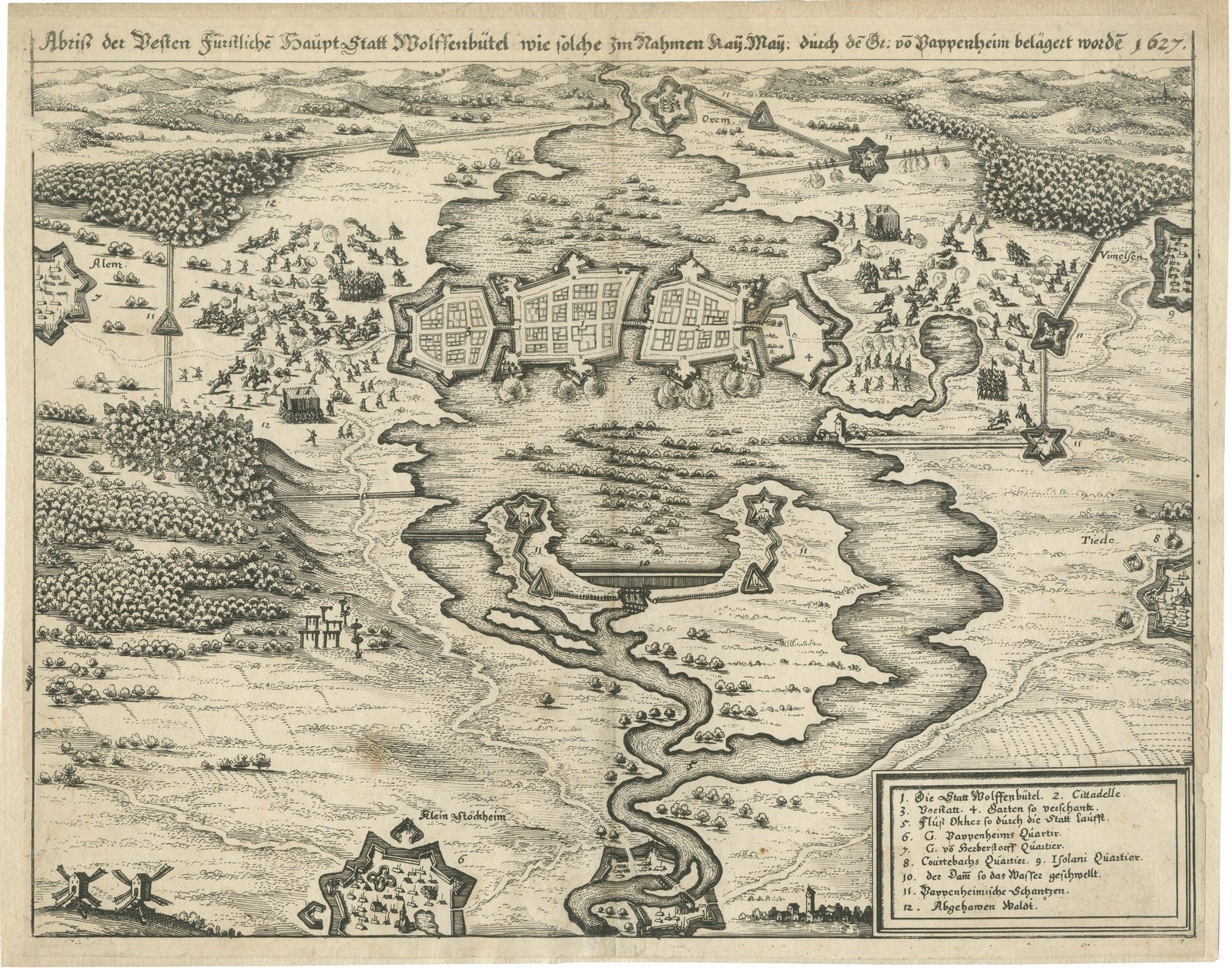
Siege of Wolfenbüttel, 1627, Merian Theatrum Europaeum Engraving, c.1635
€575
$650 · £490
Original print, not a reproduction.
Ships worldwide from the Netherlands, flat, insured and tracked. 14-day returns. To buy, use Ask a question and we will reserve it for you.
- Date
- 1627
- Sheet size
- 11.4 × 14.4 in (29 × 36.6 cm)
- Condition
- Good. Good impression with clear and well-defined lines. Light age toning and minor handling wear consistent with 17th-century paper. Some soft creasing visible, as expected for the period. Plate mark visible. Laid down on old paper backing.
- Collection
- Battle scenes
- Era
- Before 1700, Pike and siege
- Stock no.
- f_49289702
A finely detailed and historically significant copper engraving depicting the Siege of Wolfenbüttel in 1627, one of the key military engagements of the Thirty Years’ War. This print originates from the celebrated Theatrum Europaeum, the monumental chronicle of European conflicts published in the mid-17th century, and is attributed to the workshop of Matthäus Merian the Elder.
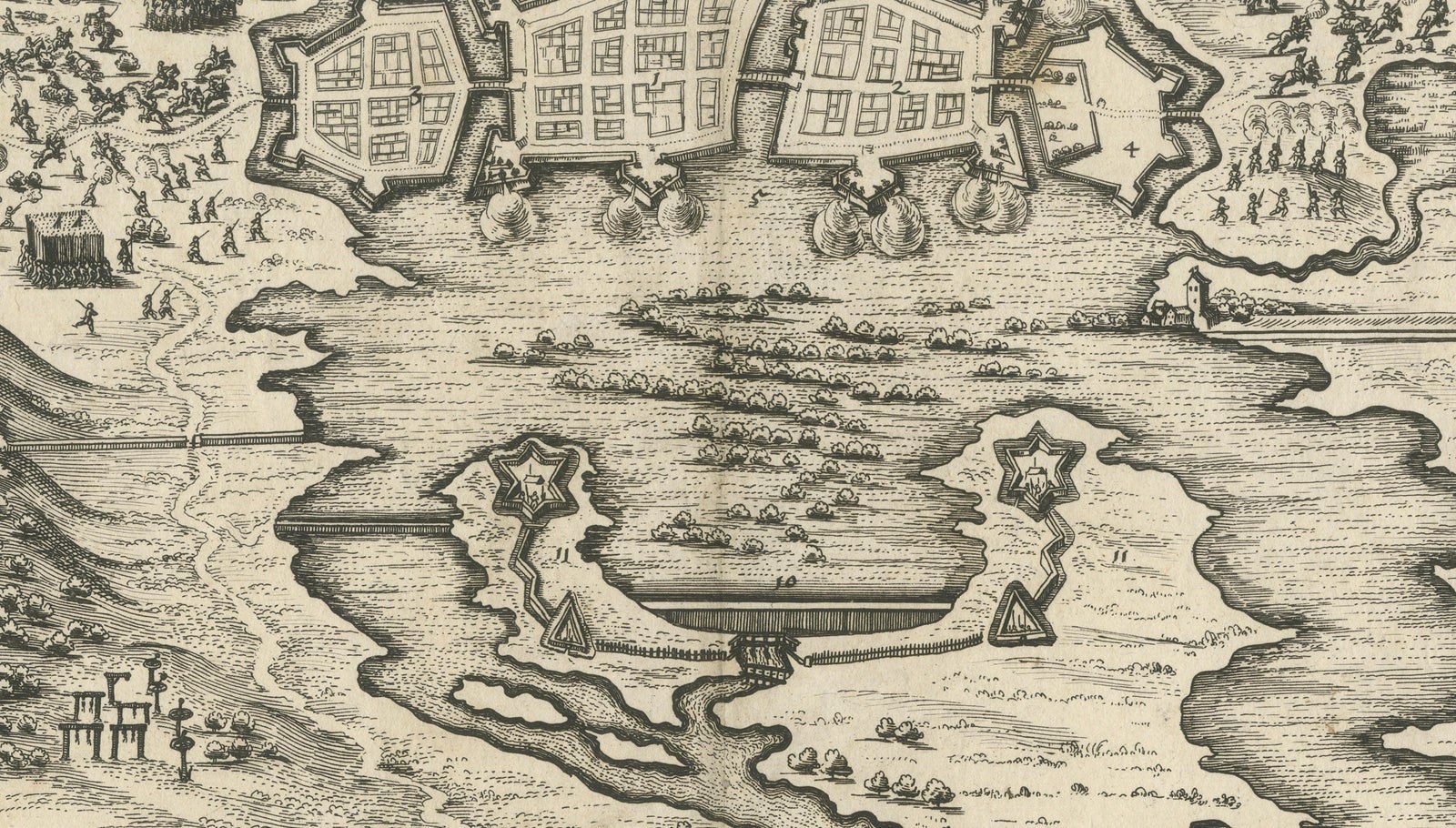
The composition presents a striking bird’s-eye view of the fortified city of Wolfenbüttel, surrounded by its defensive waterways and bastioned walls. The city appears as a geometric island fortress, emphasizing the advanced military engineering of the period. Surrounding the central stronghold are detailed scenes of troop movements, encampments, and siege operations, offering a vivid depiction of 17th-century warfare in action.
The engraving records the Imperial siege led by Count Gottfried Heinrich von Pappenheim, a prominent commander in service of the Holy Roman Emperor. The structured layout of the map is enhanced by a legend in the lower right corner, identifying key military positions such as the citadel, trench systems, and the various quarters of the besieging forces.
Executed in Merian’s characteristic precise and refined engraving style, the print combines cartographic clarity with narrative richness. The delicate line work captures both the strategic overview and the human activity of the siege, making it not only a map but also a visual historical document.
Works from Theatrum Europaeum are highly regarded for their importance in documenting early modern European history. This example stands out for its clarity, balanced composition, and engaging depiction of a fortified landscape under siege.
A compelling piece for collectors of early cartography, military history, and 17th-century European prints.
Note: This engraving is an original antique engraving and not a reproduction. It is offered unframed. Frame shown for presentation purposes only.
Condition report:
Good impression with clear and well-defined lines. Light age toning and minor handling wear consistent with 17th-century paper. Some soft creasing visible, as expected for the period. Margins present. Plate mark visible. Laid down on old paper backing.
Framing tips:
Best presented in a dark walnut or ebonized frame with a warm ivory mat to highlight the fine line work. A slightly wider mat enhances the balance of the horizontal composition. Museum glass is recommended. Ideal for display in a study, office, or library setting.
Technique: Copper engraving
Maker: Matthäus Merian the Elder, Switzerland/Germany, circa 1635